What is the Number One Cause of Roof Failure? Understanding the Leading Culprit Behind Roofing Issues

If you are a homeowner, you know how important it is to keep your roof in good condition. Your roof is the first line of defense against the elements. A failure can lead to costly repairs and even damage to your home. But what is the number one cause of roof failure?
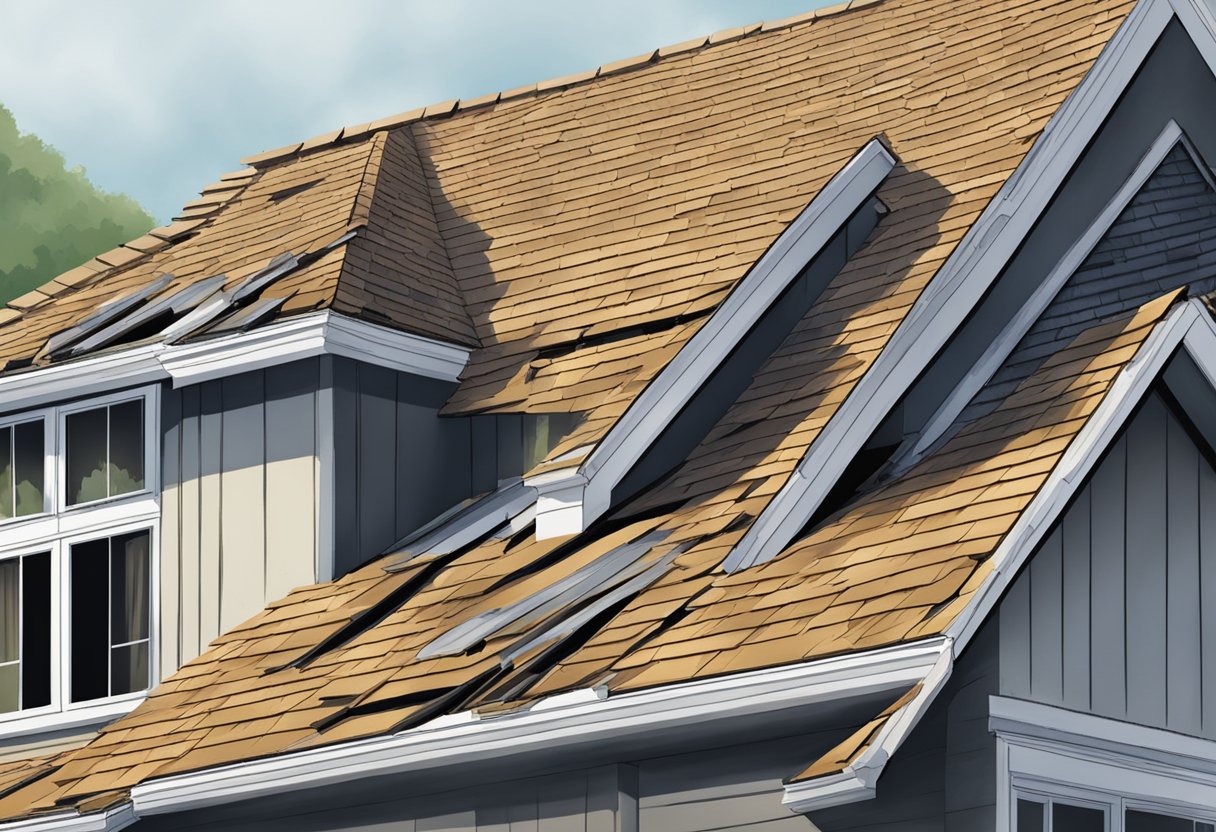
The damaged roof shows multiple cracks and missing shingles, indicating the number one cause of roof failure

According to roofing experts, the most common cause of roof failure is a defect in the roofing material. This can include faulty installation or manufacturing errors. These errors can weaken or compromise the materials used in your roof. When your roof is compromised, it becomes susceptible to damage from weather elements, reducing its overall lifespan.

“Another factor that can lead to roof failure is improper ventilation. Poor ventilation can cause moisture to build up in your attic. This can lead to mold growth and other problems. Over time, this can weaken your roof and make it more likely to fail.” said Charles Jimerson of Commercial Roofing NJ.

Primary Causes of Roof Failure

When it comes to the lifespan of a roof, several factors can impact its longevity. In this section, we will discuss the primary causes of roof failure and what you can do to prevent it.

Aging and Weather Impact

One of the primary causes of roof failure is aging and harsh weather conditions. Over time, exposure to extreme temperatures, high winds, and storm damage can take a toll on roofing materials. This causes wear and tear that can lead to premature roof failure. The age of your roof is also a contributing factor, as older roofs are more susceptible to damage and may need to be replaced sooner than newer roofs.

Poor Installation and Materials

Another common cause of roof failure is poor installation and subpar materials. If your roofing contractor does not follow manufacturer guidelines or uses low-quality materials, your roof may be more prone to leaks and damage. Proper installation practices and quality materials are essential for ensuring the longevity of your roof. Make sure that your roofing contractor is a reputable one like Commercial Roofing NJ.

Inadequate Maintenance

Neglecting your roof’s maintenance needs can also lead to premature failure. Regular maintenance and annual inspections can help identify potential issues before they become major problems. Failure to perform proper maintenance can result in damage to your roof’s structure, which can lead to costly repairs or even replacement.

Secondary Factors Contributing to Roof Failure

While the age of a roof is the primary factor contributing to its failure, several other factors can cause or accelerate roof damage. In this section, we will discuss some of the secondary factors that can contribute to roof failure.

Design and Ventilation Flaws

Rooftop design and ventilation are critical factors that affect the lifespan of a roof. Poor roof design can result in inadequate drainage, which can cause water to pool on the roof. This can lead to leaks, mold, and mildew. Inadequate ventilation can also cause moisture buildup, which can lead to deterioration of roofing materials, decking, and other components of the roof.

Physical Damage and Material Deterioration

Physical damage and material deterioration are also common causes of roof failure. Foot traffic, pressure from heavy objects, and debris blown onto the roof can cause punctures, tears, and holes in the roofing material.

Cracking, splitting, and blistering of the roofing material can also occur due to exposure to extreme weather conditions.

Material deterioration can also occur due to water damage, leaks, and inadequate ventilation. For example, built-up and asphalt roofing can deteriorate due to exposure to moisture and UV rays.

Metal roofing can corrode due to exposure to moisture and chemicals. Wood roofing can rot and decay due to exposure to moisture and insects.

Proper maintenance, regular inspections, and prompt repairs can help prevent secondary factors from contributing to roof failure. You should address any issues as soon as they are identified to prevent further damage and extend the lifespan of your roof.
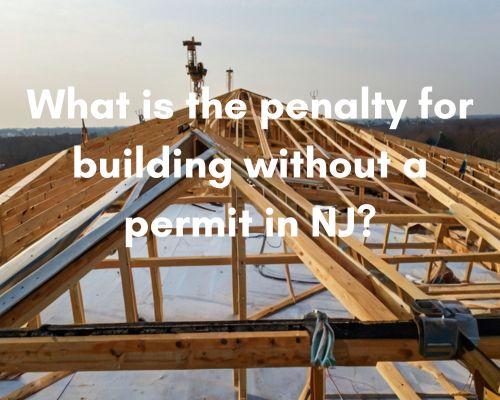
What is the Penalty for Building Without a Permit in NJ?: Understanding the Consequences of Unpermitted Construction

If you’re planning to construct a new building or make significant renovations to an existing one in New Jersey, it’s important to know the rules and regulations regarding building permits.

roof building

Building without a permit is illegal in New Jersey. If you’re caught doing so, you could face serious penalties.

“The penalties for building without a permit in New Jersey can vary depending on the nature and severity of the violation. In general, you can expect to be fined if you’re caught constructing a building or making significant renovations without the proper permits.” Charles Jimerson of Commercial Roofing NJ highlights.

These fines can range from a few hundred dollars to several thousand dollars, depending on the circumstances.

Building without a permit can also cause significant problems down the line. For example, if you ever decide to sell your property, you may run into issues if the building was constructed without the proper permits.

Additionally, if you ever need to make an insurance claim related to the building, your insurer may deny your claim if they discover that the building was constructed without the proper permits.

Legal Consequences of Non-Compliance

If you build in New Jersey without obtaining the necessary permits, you may face legal consequences. Here are some of the legal consequences you may encounter:

Violation Notices and Fines

If you build without a permit, you may receive a notice of violation from the local code enforcement officer. The notice will specify the violation and give you a deadline to correct it.

If you fail to correct the violation by the deadline, you may face fines. The fines can range from a few hundred to several thousand dollars, depending on the extent of the violation and local regulations.

You may also face separate fines for each day you continue to violate the law.

If you want a contractor to do all your roofing works, go to Commercial Roofing NJ.

Municipal Court Proceedings

If you continue to violate the law after receiving a notice of violation, you may be summoned to appear in municipal court. In court, you may face fines, penalties, and other legal consequences.

The court may also order you to stop work on your project until you obtain the necessary permits.

It is important to note that the Uniform Construction Code (UCC) applies to all construction in New Jersey. The UCC sets forth the minimum requirements for construction and outlines the procedures for obtaining permits. Failure to comply with the UCC can result in legal consequences.

In addition, providing a false or misleading written statement to a public official in connection with a construction project is a separate offense that can result in fines and other legal consequences.

If you continue to violate the law after receiving a notice of violation and being summoned to municipal court, the municipality may seek an order from the Superior Court enjoining you from continuing the construction project.

Corrective Measures and Permitting Process

If you have built without a permit in NJ, you will need to take corrective measures to obtain the necessary permit and comply with regulations. The following subsections outline the steps you need to take to correct the violation:

Obtaining the Required Permit Post-Violation

To obtain the required permit post-violation, you will need to submit an application to the local building department.

The application will require you to provide detailed information about the construction project, including the scope of work, materials used, and other relevant details. You will also need to pay a fee for the permit.

Once you have submitted the application and paid the fee, the building department will review your request for approval.

If your application is approved, you will be issued a permit to continue construction. If your application is denied, you will need to make the necessary changes to comply with regulations and reapply.

Inspection and Approval Requirements

During the construction process, you will need to schedule inspections with the building department to ensure compliance with regulations.

The inspections will cover various aspects of the construction, such as electrical, plumbing, and structural work.

After the construction is complete, you will need to schedule a final inspection to obtain a certificate of occupancy. This certificate confirms that the construction has been completed in compliance with regulations and is safe for occupancy.

If the building department finds that the construction is not in compliance with regulations, they may issue a stop construction order. You will need to correct any violations and abate any hazards before continuing construction.

Obtaining the required permit post-violation and complying with regulations during the construction process is crucial to avoid penalties and ensure the safety of the building. By following the correct permitting process and working closely with the local building department, you can ensure that your construction project is completed safely, legally, and in compliance with all local building codes and regulations.