When considering a new roof for your Florida home, one of the key benefits often mentioned is the potential to reduce your homeowners insurance premiums.
“A new roof can help you save between 10% and 30% on your insurance premiums, providing significant financial relief.” said David Spade of Star Roofing West Palm Beach.
Modern roofing materials and construction techniques increase your home’s resilience against Florida’s frequent hurricanes and storms, making it a lower risk in the eyes of insurance companies.
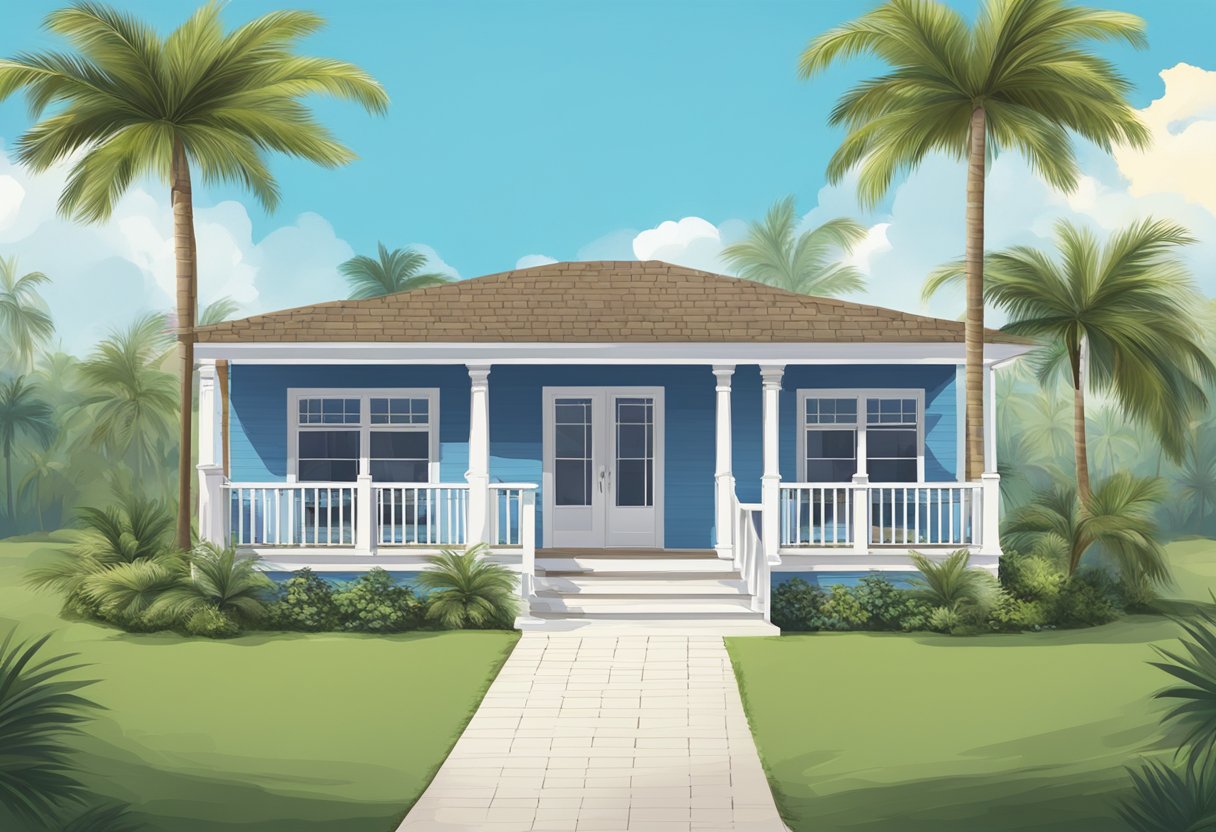
Insurance providers recognize the protective advantages of a new roof, translating to potential discounts.
Factors such as the type of roofing material, the installation of secondary water barriers, and compliance with updated building codes can all contribute to these savings.
It’s worth noting, though, that while savings are common, they are not guaranteed, and various conditions apply.
Understanding the nuances of how roofing impacts insurance premiums can enable you to maximize your potential savings.
If your roof is over 15 years old, Florida’s legislative changes offer alternatives like inspections and certifications to ensure continued coverage.
By investing in a new, durable roof, you not only enhance your home’s protection but also position yourself to take advantage of insurance discounts, potentially reducing your costs significantly.
The Impact of a New Roof on Homeowners Insurance in Florida
Installing a new roof can significantly impact your homeowners insurance premiums in Florida. This is especially true due to factors such as the state’s unique insurance environment and specific characteristics of the new roofing.
Factors Affecting Insurance Premiums
Several factors influence how much a new roof can lower your homeowners insurance premiums.
Insurance companies consider the age and condition of your roof, as well as its materials.
Newer roofs with enhanced fire-resistant features, like Class A fire ratings, can potentially reduce your insurance rate.
Insurance providers may also offer significant discounts if your new roof includes wind mitigation features.
Hurricanes and wind storms are common in Florida, so roofing that can withstand these natural disasters can lead to lower premiums.
Secondary waterproofing underlayment, such as ice and water shield, further shields your home from storm damage, leading to potential insurance savings.
Understanding Florida’s Unique Insurance Environment
Star Roofing West Palm Beach highlights that Florida’s climate poses unique challenges for homeowners insurance. Frequent hurricanes and tropical storms result in higher risk factors for insurers. This is why adding a new roof with better materials and features can have a significant impact on your insurance premiums.
The state has enacted laws to protect both homeowners and insurance companies.
For example, a law passed in July 2021 aimed to tackle fraudulent claims for roof replacements, which made it harder for unnecessary claims to affect overall insurance rates.
Additionally, Senate Bill 2D, enacted in May 2022, introduced new requirements: insurers cannot deny coverage based solely on roof age if it’s under 15 years old.
Roof Characteristics and Insurance Considerations
The characteristics of your new roof play a crucial role in determining your homeowners insurance premium.
Roofing with enhanced durability and fire resistance can provide substantial savings.
Specific materials and construction methods, such as metal roofing or high-grade shingles, can offer both better protection and lower rates.
Wind mitigation features are especially crucial in Florida.
Insurers often provide discounts for roofs designed to withstand high winds and resist storm damage.
Roofs over 15 years old require an inspection and certification to verify at least five more years of useful life to avoid policy denial or higher insurance costs.
Maximizing Insurance Benefits with Roof Upgrades and Maintenance
Upgrading your roof can significantly reduce homeowners insurance premiums by improving safety, compliance, and durability. Understanding the right materials, designs, and additional measures can help you maximize these benefits.
Selecting the Right Roofing Materials
Choosing the best roofing materials directly impacts your insurance premiums.
Impact-resistant shingles and metal roofing offer excellent protection against heavy storms and hail.
In Florida, you can also consider concrete or clay tiles, which provide durability and fire resistance.
Materials that resist wind and water damage are crucial for premium reduction.
Insurance providers often offer discounts for roofs made from impact-resistant materials due to their reduced likelihood of claims.
Enhancing Safety and Compliance Through Roof Design
Roof design plays a vital role in insurance costs.
Hip roofs are often favored over gable roofs because they withstand higher winds, an essential feature in hurricane-prone Florida.
Wind mitigation inspections can identify how well your roof withstands strong winds, leading to potential premium reductions.
Consider installing hurricane straps and other wind mitigation features to enhance safety.
Compliance with state regulations and building codes ensures your home is less risky to insure, further lowering insurance costs.
Additional Measures to Reduce Insurance Costs
Beyond choosing the right materials and designs, other measures can lower your insurance premiums.
Regular roof inspections help identify and fix issues before they lead to significant damage or claims.
Installing impact-resistant windows, reinforced garage doors, and a home security system can also contribute to premium discounts.
Wind mitigation credits are available for homes meeting certain safety standards, offering further savings.
Staying updated with legislative changes and ensuring your roof complies with Florida roofing requirements can contribute to sustained premium reductions.
Regular maintenance and proactive upgrades keep your insurance costs manageable and your home safe.