Should I Replace 20 Year Old Gutters? Expert Tips and Considerations

Mike Owen from Gutters Of West Palm Beach highlights “Gutters are a crucial part of your home’s exterior, playing a vital role in protecting it from water damage. If your gutters are 20 years old, it is likely time to consider replacing them.”

an old roof gutter full of rust

Gutters this age may no longer effectively channel water away from your home, which could lead to costly water damage.

The lifespan of gutters depends on the material and the maintenance they receive.

Aluminum gutters can last about 25 years, while vinyl gutters might only serve you for 10 to 15 years. Copper gutters are durable, often lasting for many decades.

Regular maintenance, such as cleaning and repairs, can extend the life of your gutters, but there’s a point where replacement is the best option to ensure your home remains protected.

Cracks, rust spots, and holes in your gutters necessitate immediate attention.

While small repairs can temporarily prolong their functionality, these are often signs that a complete replacement is inevitable.

Updating your old gutters with new ones ensures that water is effectively directed away from your home, preventing mold, mildew, and structural damage.

Assessing the Condition of Your Gutters

Before deciding to replace 20-year-old gutters, it’s important to evaluate their current condition, identifying potential issues and signs of wear and tear that signal the need for replacement.

Identifying Common Issues

Several common issues can indicate that your gutters need attention.

Cracks and seams might develop over time, leading to leaks and water damage.

Look for areas where the gutter has pulled away from the roof or siding; this sag can reduce the system’s effectiveness.

Rust and corrosion are also key indicators of deterioration in metal gutters.

If the gutter material has developed rust spots or significant corrosion, it could compromise the integrity of the entire system.

Mold and mildew growth near the foundation or on the siding suggest that water is not properly channeled away from your home.

Additionally, overflow during rain signals that gutters might be clogged or undersized.

Signs of Wear and Tear

Over time, gutters can exhibit various signs of wear and tear.

Peeling paint and water stains on the siding are strong indicators that water is escaping from the gutter system.

Seam stress indicates that seams might be weakening or separating, often seen in older systems.

Ice dams in colder regions can indicate poor gutter performance, leading to potential rot and structural damage.

If you notice these signs, a thorough inspection to assess the damage can determine whether repairs or a full replacement is necessary.

Properly functioning gutters are crucial for preventing water damage, mold growth, and foundation issues.

Considering Gutter Replacement

Replacing your 20-year-old gutters involves assessing the materials, understanding the costs involved, and deciding whether to hire a professional for installation.

Material Selection

The choice of material is critical when replacing gutters. Common options include vinyl, aluminum, and steel.

  • Vinyl gutters are affordable and easy to install DIY. They resist rust but may crack in extreme cold.
  • Aluminum gutters offer durability and are rust-resistant. They come in various colors and can handle heavy rainfall.
  • Steel gutters are robust and long-lasting, but they are prone to rust without proper maintenance.

Seamless gutters reduce the chance of leaks, unlike traditional sectional gutters, which may have seams that can degrade over time.

Cost and Investment

Replacing gutters is both a cost and an investment.

Material costs vary: vinyl ($3-$5 per linear foot), aluminum ($6-$12), and steel ($10-$20).

Additional expenses might include downspouts and any necessary gutter guards.

Labor costs for professional installation average between $4-$9 per linear foot.

While this adds to the initial expense, it ensures proper installation, leading to fewer issues like clogged or sagging gutters.

New gutters can enhance your home value and curb appeal, making this a valuable home improvement project.

Professional Installation

Hiring a contractor for gutter installation is advisable if you lack experience. Professionals like Mike Owen from Gutters Of West Palm Beach guarantee a correct slope and secure attachment, preventing potential issues.

Installation includes aligning the gutters. They also ensure downspouts are correctly positioned and seal connections to prevent leaks. They also help with choosing seamless gutters, which minimize leak risks.

Professional installation involves not just the gutter installation but also removing old gutters and any required structural repairs. This adds reliability but increases costs.
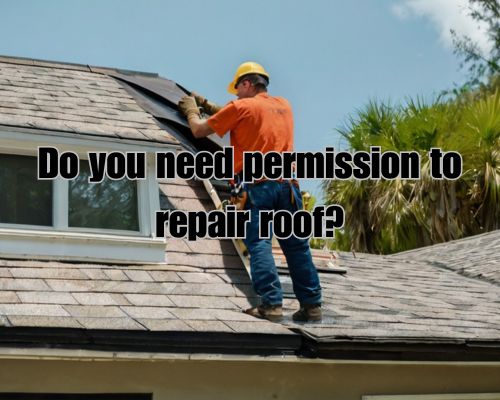
Do You Need Permission to Repair Roof? Essential Guidelines and Regulations

Navigating the regulations surrounding roof repairs can be tricky for homeowners.

For major roofing work, a permit is generally required. This is especially true if costs exceed $10,000 or involve structural changes.

a hired contractor doing repair in a roof

However, minor repairs, such as fixing loose shingles, might not need formal permission. It’s always wise to check local regulations and consult with a contractor to ensure compliance.

Homeowners’ associations (HOAs) may impose additional rules on roofing projects, mandating approval for specific materials, colors, or styles. Ignoring these requirements could lead to fines or a demand to revert unauthorized changes.

Thus, it’s crucial to obtain all necessary permissions before starting any roofing repairs.

“Taking these steps not only protects you legally but also ensures the safety and integrity of your home. By understanding when a permit is needed and consulting with your HOA, you can avoid unnecessary complications and focus on getting your roof in top shape.” said David Spade from Star Roofing Contractors.

Understanding Roof Repair Regulations

When undertaking a roof repair project, it’s essential to understand various regulations that can impact the work. Permit requirements, local building department roles, building codes, and HOA guidelines all play significant roles in the process.

Permit Requirements for Roof Repairs

Building permits are a crucial aspect when it comes to roof repair projects.

Minor repairs such as replacing a few shingles or fixing a small leak usually don’t require a permit. For more extensive repairs involving structural changes, a permit is often necessary.

Complete roof replacement typically requires a permit, especially if new materials or designs differ from the original structure. Costs over a certain threshold, often $10,000 or more, will likely necessitate a permit.

Make sure to always check local regulations to ensure compliance.

Role of Local Building Department

David Spade from Star Roofing Contractors highlights “The local building department plays a vital role in regulating roof repair projects. They are responsible for issuing permits and conducting inspections to ensure all work adheres to safety codes. They also provide guidelines on what constitutes a minor or major repair.”

You will need to submit details about your project, including the type of roofing material and the contractor performing the work. This department also handles permit fees, which generally range from $50 to $500 depending on the project’s scope.

Impact of Building Codes on Roofing Projects

Building codes significantly influence your roof repair project.

They are designed to ensure the safety and durability of structures. They specify materials, methods, and design standards that must be followed.

Different regions have varying building codes, and these can affect everything from the type of roofing material to be used, to the overall design and structural integrity requirements. Understanding and adhering to these codes is crucial to avoid fines and ensure the safety of your home.

Navigating HOA Requirements and Restrictions

If you live in an area governed by a Homeowners Association (HOA), you will need to navigate additional requirements and restrictions.

HOAs often have specific rules regarding roofing materials, colors, and designs to maintain a uniform appearance in the community.

Before starting your project, consult your HOA guidelines and get necessary approvals. Failing to comply with HOA rules can result in fines or having to redo the work.

Collaborate closely with your roofing contractors to ensure that all HOA requirements are met.

Practical Aspects of Roof Repairs and Replacements

When planning for roof repairs or replacements, several critical factors need your attention. These include choosing the right materials, understanding structural changes, hiring professionals, and considering insurance coverage.

Choosing the Right Roofing Materials

Selecting the appropriate roofing materials is essential.

Asphalt shingles are popular for their affordability and durability. Metal roofing offers longevity and energy efficiency. Solar shingles provide sustainable energy but come with a higher price tag.

Your choice will impact not only the initial cost but also long-term maintenance and energy savings.

Considering Structural Changes During Repairs

If your repair involves modifying the roofline, adding dormers, or changing the roof’s shape, you may need a permit.

Structural changes can impact the stability of your home and require careful planning. Ensure that any alterations comply with local building codes to avoid future issues.

The Importance of Professional Roofing Contractors

Hiring a professional roofing contractor is crucial for both minor and extensive repairs.

Licensed contractors can pull the necessary permits and follow code requirements. They bring expertise to ensure the job is done correctly, reducing the risk of leaks and other problems.

Avoid DIY repair attempts that may lead to costly mistakes.

Insurance Coverage and Roof Repairs

Review your insurance policy to understand what types of roof repairs or replacements are covered. Some policies may cover damage due to storms or other incidents but exclude normal wear and tear.

Proper documentation and timely claims can ease the financial burden of major repairs. This ensures your roof is restored without unexpected expenses.