How to Fix Bad Water Pressure in Australia: A Comprehensive Guide

Bad water pressure can be a frustrating issue for homeowners across Australia. Whether you’re dealing with weak shower flow in Sydney, slow-filling sinks in Melbourne, or inconsistent tap pressure in Brisbane, resolving the problem is essential for everyday convenience. Understanding the causes and solutions for poor water pressure can save time, money, and effort. In this guide, we’ll explore why water pressure issues arise and how to fix bad water pressure effectively.
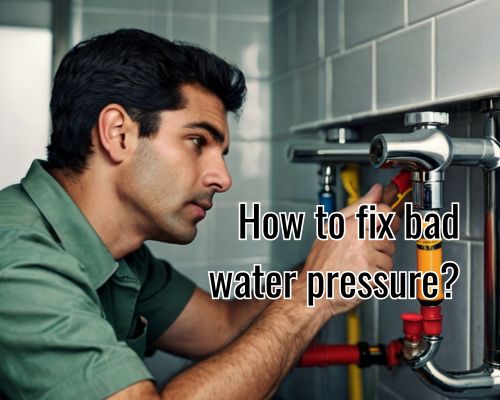
a plumber fixing water pressure

Common Causes of Bad Water Pressure

Before you can fix low water pressure, it’s crucial to identify the root cause. Here are some of the most common reasons for poor water flow in Australian households:

1. Plumbing Blockages

Over time, pipes can accumulate debris, sediment, and mineral deposits, restricting water flow. Homes with hard water, such as those in Perth and Adelaide, are particularly susceptible to calcium and lime buildup in pipes.

2. Leaky Pipes

Leaks in your plumbing system can cause a drop in water pressure. If you notice damp spots on walls, ceilings, or near your home’s foundation, a hidden leak could be to blame.

3. Faulty Pressure Regulator

Some homes in cities like Sydney and Brisbane have a pressure regulator installed to maintain safe water pressure. If this regulator malfunctions, it can either increase or decrease pressure unexpectedly.

4. Water Supply Issues

Local water supply problems can impact residential water pressure. If your neighbors in Melbourne or Gold Coast are experiencing the same issue, there may be a supply issue from your local water authority.

5. Clogged Aerators and Showerheads

Faucet aerators and showerheads can accumulate mineral deposits, reducing water flow. This is a common issue in older properties throughout Australia, especially in regions with hard water.

See https://plumberwarragul.com.au/ for more.

How to Fix Bad Water Pressure

Once you’ve identified the potential cause, you can take the following steps to restore proper water pressure:

1. Check for Leaks

  • Turn off all water sources and monitor your water meter for changes.
  • If the meter moves while no water is running, you may have a hidden leak.
  • Call a licensed plumber to inspect and repair any leaks.

2. Clean Clogged Aerators and Showerheads

  • Unscrew the aerator or showerhead and soak it in vinegar overnight to dissolve mineral deposits.
  • Scrub with a toothbrush and rinse thoroughly before reinstalling.

3. Flush Your Pipes

  • Turn off the main water valve and open all taps to drain the pipes.
  • Turn the valve back on and let the water run to clear debris from the system.

4. Adjust or Replace the Pressure Regulator

  • Locate your home’s pressure regulator, usually near the main water line.
  • Use a wrench to adjust the pressure to an optimal range (typically 40-60 PSI).
  • If the regulator is faulty, consider replacing it with the help of a professional.

5. Upgrade Old Plumbing

  • Homes with outdated galvanised steel pipes often experience corrosion-related pressure loss.
  • Consider upgrading to copper or PEX piping, which are more durable and resistant to buildup.

6. Install a Water Pressure Booster

  • If your area has naturally low water pressure, installing a booster pump can help increase flow.
  • Make sure to consult local plumbing codes before installation.

7. Contact Your Water Provider

  • If the issue persists, check with your local water provider to see if there are known supply issues or maintenance works affecting pressure.

Preventing Future Water Pressure Issues

Taking proactive measures can help prevent recurring water pressure problems:

  • Regular Maintenance: Schedule annual plumbing inspections to catch issues early.
  • Water Softener Installation: In areas with hard water, such as Perth and Adelaide, a water softener can help reduce mineral buildup.
  • Monitor Usage: Avoid using multiple high-demand appliances (washing machine, dishwasher, and shower) simultaneously.
  • Invest in Quality Fixtures: Low-quality plumbing fixtures can contribute to inconsistent water flow; upgrading to efficient taps and showerheads can improve performance.

When to Call a Professional Plumber

If DIY fixes don’t resolve the problem, it’s best to consult a licensed plumber. Some issues, such as underground pipe leaks, damaged mains, or complex regulator replacements, require professional expertise. Plumbers in Sydney, Melbourne, and others like Dean Owens from Plumber Warragul can assess and repair water pressure issues efficiently.

Conclusion

Bad water pressure can be inconvenient, but understanding its causes and solutions can help you restore a steady water flow. Whether you’re dealing with clogged pipes, pressure regulator issues, or water supply problems, these troubleshooting steps will help you fix bad water pressure in your Australian home. If the issue persists, don’t hesitate to call a professional plumber to ensure a long-term fix.


How Do I Become a Commercial Roofer in New Jersey, USA?

Introduction

If you’re asking, “How do I become a commercial roofer?”—especially in New Jersey—you’re in the right place. Commercial roofing is a lucrative career path, offering stability, high earning potential, and growth opportunities. With New Jersey’s diverse climate and bustling commercial sector, the demand for skilled roofers is consistently high.

a commercial roofer working on installation

This guide outlines the essential steps to becoming a commercial roofer in New Jersey like Charles Jimerson of CJ Commercial Roofing NJ, covering training, licensing, certifications, and local industry insights.

Understanding the Role of a Commercial Roofer

Commercial roofers specialize in installing, maintaining, and repairing roofing systems for businesses, warehouses, and industrial buildings. Unlike residential roofing, commercial roofing involves flat or low-slope roofs and requires expertise in materials like TPO, EPDM, metal, and modified bitumen.

Key Responsibilities

  • Inspecting and diagnosing roofing issues
  • Installing new commercial roofing systems
  • Conducting repairs and routine maintenance
  • Ensuring compliance with New Jersey building codes
  • Understanding and implementing safety protocols

Step 1: Obtain a High School Diploma or GED

Most employers and apprenticeship programs require at least a high school diploma or GED. Courses in math, shop, and construction technology can provide a strong foundation.

Step 2: Gain Hands-on Experience Through Apprenticeships

One of the best ways to break into the commercial roofing industry is through an apprenticeship. In New Jersey, unions like the United Union of Roofers, Waterproofers & Allied Workers Local 4 offer structured training programs combining classroom education with on-the-job training.

Benefits of Apprenticeships

  • Earn while you learn
  • Receive mentorship from experienced professionals
  • Gain practical experience with commercial roofing materials and tools

Step 3: Enroll in a Vocational or Trade School

While not mandatory, attending a trade school can accelerate your learning and make you more competitive in the job market. Schools like New Jersey Institute of Technology (NJIT) or Lincoln Tech in Mahwah offer construction and roofing-related courses.

Skills Acquired

  • Roofing material installation techniques
  • Reading blueprints and specifications
  • OSHA safety regulations and fall protection
  • Leak detection and waterproofing techniques

Step 4: Get Certified and Licensed

OSHA Certification

Safety is paramount in commercial roofing. New Jersey mandates that all roofers complete OSHA (Occupational Safety and Health Administration) safety training. OSHA 10 or OSHA 30 certifications are standard requirements for most employers.

State Licensing Requirements

New Jersey requires roofing contractors to register with the New Jersey Division of Consumer Affairs. If you plan to start your own roofing business, you may also need a Home Improvement Contractor (HIC) license.

Step 5: Build Your Skills and Specializations

The more specialized skills you acquire, the higher your earning potential. Consider additional certifications like:

  • NRCA ProCertification – Recognized by the National Roofing Contractors Association.
  • Certified Green Roofer – Ideal for eco-friendly commercial projects.
  • Manufacturers’ Certifications – Companies like GAF and Carlisle require certification for warranty-backed installations.

Step 6: Gain Employment or Start Your Own Business

Finding Employment

Major commercial roofing companies in New Jersey include:

  • Allied Roofing Solutions (Piscataway, NJ)
  • Bergen Commercial Roofing (Hackensack, NJ)
  • Roofing Dynamics (Trenton, NJ)

Most companies hire entry-level roofers with apprenticeships or certifications. See Charles Jimerson of CJ Commercial Roofing NJ.

Starting Your Own Business

If entrepreneurship is your goal, follow these steps:

  1. Register your business with the New Jersey Division of Revenue.
  2. Obtain a contractor’s license and insurance.
  3. Market your services using SEO and Google My Business.
  4. Network with general contractors and property managers.

Step 7: Stay Updated on Industry Trends

The commercial roofing industry is evolving, especially in New Jersey where climate conditions demand energy-efficient solutions. Stay ahead by:

  • Attending trade shows like The International Roofing Expo
  • Joining professional associations like New Jersey Roofing Contractors Association (NJRCA)
  • Keeping up with advancements in solar roofing and cool roof coatings

Conclusion

Becoming a commercial roofer in New Jersey requires a mix of education, hands-on experience, certifications, and networking. Whether you join an established company or start your own, commercial roofing offers long-term career growth, financial security, and professional satisfaction.

If you’re ready to take the first step, look into local apprenticeships, enroll in a vocational program, and start gaining hands-on experience today. The demand for skilled commercial roofers in New Jersey is high—this is your chance to build a rewarding career.

What is a Good Profit Margin for Roofing in New Jersey, USA?

Understanding Profit Margins in the Roofing Industry

Profit margins in the roofing industry can vary significantly depending on factors such as location, competition, material costs, and the scale of operations. In New Jersey, USA, roofing businesses face a unique combination of weather conditions, building regulations, and market demand that influence profitability.

businessmen doing a thorough talk

A good profit margin for a roofing company generally falls between 20% and 40% for gross profit and 5% to 10% for net profit. However, these figures can fluctuate based on operational efficiencies, pricing strategies, and overhead expenses. To maximize profitability, it is crucial to optimize costs, improve service quality, and ensure competitive pricing that reflects local market trends.

Factors Affecting Roofing Profit Margins in New Jersey

1. Material Costs and Supplier Relationships

Material costs are a primary factor affecting profit margins in the roofing industry. Asphalt shingles, metal roofing, and flat roofing materials each have different price points and availability in New Jersey. Establishing strong relationships with local suppliers can help roofing businesses secure bulk discounts and reduce material expenses.

2. Labor Costs and Workforce Efficiency

Labor costs in New Jersey tend to be higher due to the cost of living and state regulations. Hiring skilled workers while maintaining efficient project timelines is critical to ensuring a good profit margin. Many roofing companies focus on employee training, performance incentives, and technology integration to enhance efficiency.

3. Seasonality and Weather Conditions

New Jersey experiences four distinct seasons, which impact roofing demand. Winter conditions can slow down projects, while spring and summer bring peak demand. Managing workload distribution and offering year-round services like roof inspections, maintenance, and emergency repairs can help stabilize revenue streams.

4. Competitive Pricing Strategies

Pricing strategies play a vital role in determining profitability. In cities like Newark, Jersey City, and Trenton, competition among roofing contractors is high. Conducting thorough market research and pricing services strategically—without undercutting profits—is essential. Value-added services, such as free roof inspections and extended warranties, can differentiate a company from competitors.

5. Marketing and Local SEO Optimization

To maintain a healthy profit margin, roofing companies in New Jersey must invest in local SEO and digital marketing. Ranking for keywords like “roof repair in Newark” or “best roofing contractor in Jersey City” can generate more organic leads. Leveraging platforms like Google My Business, Yelp, and HomeAdvisor also enhances online visibility and credibility.

See https://cjcommercialroofingnj.com/ for more.

How to Improve Profit Margins for Roofing Businesses

1. Optimize Overhead Costs

Reducing unnecessary expenses, such as excessive office space or inefficient advertising, can significantly improve net profit margins. Investing in modern software for project management, customer relationship management (CRM), and scheduling can streamline operations and reduce administrative costs.

2. Offer Upsells and Additional Services

Providing additional services like gutter installation, siding repair, or attic insulation can increase revenue per customer. Many homeowners in New Jersey look for full exterior renovation services, presenting an opportunity for upselling.

3. Implement a Strong Referral Program

Word-of-mouth marketing is powerful in the roofing industry. Encouraging satisfied customers to refer friends and family by offering discounts or incentives can lead to consistent business growth and reduced marketing costs.

4. Negotiate Better Supplier Rates

Bulk purchasing and long-term agreements with suppliers can reduce material costs. Roofing businesses should continuously evaluate their supply chain to ensure they are getting the best deals on materials.

5. Improve Workforce Productivity

Investing in training and ensuring that employees work efficiently can help reduce project completion times. Using drone technology for inspections, automated quoting software, and efficient scheduling systems can optimize workforce output. For more, go to https://cjcommercialroofingnj.com/.

Legal and Regulatory Considerations

New Jersey has strict building codes and licensing requirements for roofing contractors. Ensuring compliance with state regulations, securing the necessary permits, and maintaining insurance coverage are essential steps in avoiding fines and liabilities that can erode profit margins.

Additionally, staying updated on federal and state tax benefits, such as deductions for equipment purchases or energy-efficient roofing installations, can provide financial advantages.

Conclusion: Maximizing Profit Margins in New Jersey’s Roofing Industry

A good profit margin for a roofing business in New Jersey typically falls within industry standards of 20%-40% for gross profit and 5%-10% for net profit. To achieve this, roofing companies must optimize material and labor costs, implement effective marketing strategies, and maintain a strong operational framework. By leveraging local SEO, offering value-added services, and streamlining operations, roofing contractors in New Jersey can ensure long-term profitability in a competitive market.

By understanding the local roofing industry dynamics and implementing strategic cost-management techniques, New Jersey roofing businesses can maximize their earnings while maintaining high service quality and customer satisfaction.