How to Fix a Large Hole in Gutter Bunnings: The Definitive Melbourne DIY Guide

If you’ve ever noticed water cascading uncontrollably from a large hole in your gutter, you know the urgency of a fix. Melbourne’s rainy seasons demand gutters in top shape, lest you face foundation damage, water ingress, or garden flooding. Lucky for you, Bunnings Warehouse, the DIY mecca in Australia, offers an arsenal of supplies to patch up gutters effectively and affordably.
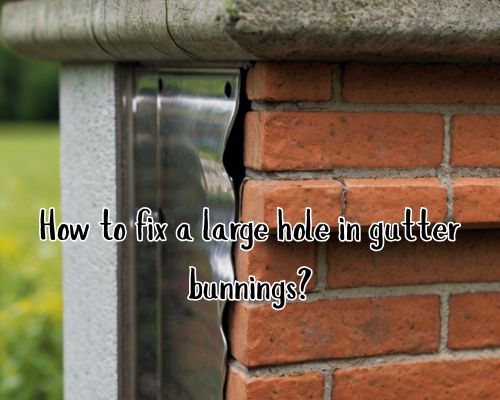
a large hole on gutter bunning

With Gutter Cleaning Melbourne, we’ll break down how to fix a large hole in gutter Bunnings style, blending practical steps with local Melbourne considerations and SEO-optimized keywords like “gutter repair Melbourne,” “DIY gutter patching,” and “Bunnings gutter repair kits” for maximum visibility.

Why Fixing Large Holes in Gutters Matters in Melbourne

Melbourne’s climate, characterized by variable rainfall and occasional heavy storms, puts gutters under considerable stress. Large holes aren’t just cosmetic—they invite serious water damage.

  • Water Damage to Foundations: Persistent leaks can erode soil and weaken building foundations.
  • Damage to External Walls: Water spilling from faulty gutters can stain and deteriorate exterior walls.
  • Landscape Erosion: Overflow can wash away precious garden soil or plants.

Proactive gutter maintenance is a no-brainer for homeowners and renters alike, especially in Melbourne’s suburbs like Brunswick, Fitzroy, and Glen Waverley, where older homes are common and gutters can deteriorate over time.

Step 1: Assessing the Damage — How Big Is That Hole?

First thing’s first: size up the hole.

  • Small Holes (<5 cm): These can often be fixed with simple gutter sealants.
  • Large Holes (>5 cm): Require more robust repairs like patch kits or metal flashing.

A large hole means water is flowing freely where it shouldn’t—more than just a quick squirt of sealant will fix. In Melbourne, given our sudden rainstorms, neglecting these can lead to costly damage.

Step 2: Gather Your Materials from Bunnings Melbourne

Bunnings Warehouse, with locations across Melbourne (Melton, Preston, Chadstone, and more), is your go-to. For fixing large gutter holes, you’ll want:

  • Gutter Repair Patch Kit: Often includes adhesive patches designed for metal or PVC gutters.
  • Gutter Sealant: Silicone or polyurethane-based, flexible and waterproof.
  • Sandpaper or Wire Brush: To prep the surface.
  • Metal Flashing or Replacement Gutter Section: For extensive damage.
  • Caulking Gun: For applying sealant precisely.
  • Safety Gear: Gloves, safety goggles, and a sturdy ladder suitable for Melbourne’s typical two-story homes.

Bunnings staff can also help recommend specific products based on your gutter type (metal, Colorbond, PVC), common in Melbourne homes.

Step 3: Preparing the Damaged Area — Clean and Dry

Preparation is key to a lasting repair:

  • Clean the area: Use sandpaper or a wire brush to remove rust, paint, or dirt around the hole.
  • Dry thoroughly: Repairs won’t stick properly if the gutter is wet. Melbourne’s variable weather means choose a clear day or dry period.
  • Remove loose debris: Leaves and moss are common gutter nuisances in Melbourne’s leafy suburbs like Eltham or Ivanhoe.

Step 4: Applying the Patch — The Bunnings DIY Method

For large holes, simple sealants won’t cut it. Follow this method:

  1. Cut the Patch: Trim a patch from the repair kit or metal flashing, making it 5 cm larger than the hole on all sides.
  2. Apply Sealant: Spread gutter sealant liberally around the hole edges.
  3. Place the Patch: Press firmly over the hole.
  4. Seal Patch Edges: Run a bead of sealant around all edges of the patch to ensure waterproofing.
  5. Allow to Cure: Follow manufacturer instructions — usually 24 hours for full cure.

For Melbourne’s wet climate, polyurethane sealants are ideal due to their flexibility and durability.


Step 5: Alternative Method — Replacing Gutter Sections

If the hole is massive or the gutter severely corroded (common in older Melbourne properties), replacing the damaged section might be more cost-effective.

  • Measure the damaged section.
  • Purchase replacement gutters or downpipe sections from Bunnings.
  • Remove damaged parts carefully.
  • Attach new section using gutter connectors or rivets.
  • Seal joints with gutter sealant to prevent leaks.

This method ensures structural integrity and is recommended if your gutter has multiple holes or rust patches.

Step 6: Post-Repair Maintenance — Prevent Future Holes

Prevention is the name of the game. Melbourne homeowners can extend gutter life by:

  • Regular Cleaning: Every six months, especially after autumn leaf fall.
  • Installing Gutter Guards: Available at Bunnings, they keep leaves and debris out.
  • Inspecting After Storms: Check gutters post heavy rains typical in Melbourne spring.
  • Prompt Repairs: Don’t let small holes grow into large, costly problems.

For professional needs, go to Gutter Cleaning Melbourne.

Why Bunnings Is the Best Choice for Gutter Repair Supplies in Melbourne

Bunnings is iconic in Australia for a reason. With comprehensive product lines, competitive prices, and expert staff ready to guide you, Bunnings is the perfect one-stop-shop for gutter repair.

  • Local Availability: Multiple outlets across Melbourne, including Brunswick, Sunshine, and Doncaster.
  • Wide Range of Products: From gutter sealants to replacement parts.
  • Affordable Pricing: DIY options that save you from costly tradesman fees.
  • Expert Advice: On-site staff can help you select the right repair kits.

SEO-Boosted Quick FAQs on Gutter Repair Melbourne

Q: How much does it cost to fix a large hole in a gutter from Bunnings in Melbourne?
A: Typically between AUD 20 to 50 for patch kits and sealants, but larger repairs or replacements may cost more depending on materials.

Q: Can I fix large gutter holes myself, or do I need a professional in Melbourne?
A: Many large holes can be fixed DIY using Bunnings products. For complex issues or gutter replacement, consulting a local roofing contractor is advised.

Q: How long does a gutter repair patch last in Melbourne’s weather?
A: With quality sealants and proper prep, patches can last 3-5 years or more, but regular inspections are important.

Wrap Up: Fixing Large Gutter Holes Like a Melbourne Pro

Knowing how to fix a large hole in gutter Bunnings style puts you ahead in Melbourne’s unpredictable weather game. Whether you choose a DIY patch or full section replacement, Bunnings has you covered with everything from sealants to metal flashing and expert advice.

Don’t let your gutters become a liability—fix them promptly, maintain regularly, and enjoy peace of mind knowing your home stays dry and damage-free. Next time Melbourne rains pour down on your roof, your gutters will be ready to channel the water exactly where it should go.

Remember, in Melbourne, a well-maintained gutter isn’t just a convenience — it’s a necessity for protecting your home against the city’s notoriously moody weather. Head to Bunnings today, grab your materials, and get that large hole fixed — your foundation will thank you.


How Many Quotes Should You Get for a Roof? A New Jersey Homeowner’s Guide to Smart Roofing Decisions

When it comes to investing in a new roof in New Jersey, one question echoes louder than the banging of hammers: how many quotes should you get for a roof? This isn’t just a budgeting exercise—it’s a strategic move that affects quality, longevity, and even your property value. Whether you’re in Jersey City, Newark, or Cherry Hill, understanding how to approach roofing quotes can save you thousands in hidden costs and headaches.

worker checking out roofing quotation

With Charles Jimerson of CJ Commercial Roofing NJ, we will unpack why getting multiple roofing estimates matters, how many quotes are ideal, what red flags to watch out for, and how to ensure you’re comparing apples to apples—not apples to hammers.

🏠 Why Roofing Quotes Matter More Than You Think

In a high-stakes investment like roofing, you’re not just paying for shingles—you’re buying workmanship, materials, warranties, and peace of mind. The roofing industry in New Jersey, especially in areas like Trenton, Hoboken, and Paterson, is diverse in pricing and quality. One contractor might offer a roof replacement for $7,000, while another could quote $14,000 for the same project.

Quotes provide a window into a roofer’s:

  • Pricing structure
  • Scope of work
  • Warranty terms
  • Installation standards
  • Credibility and professionalism

Getting multiple quotes helps weed out overpriced bids, underqualified contractors, and too-good-to-be-true deals that might lead to shortcuts.

📊 So, How Many Quotes Should You Get for a Roof?

Three is the magic number.

Industry experts—including organizations like the National Roofing Contractors Association (NRCA)—recommend getting at least three detailed quotes before making a decision.

Here’s why:

  1. Benchmarking – With three quotes, you can spot outliers and determine the fair market rate in your part of New Jersey, whether you’re in Princeton or Atlantic City.
  2. Clarity – Each contractor may suggest slightly different materials or methods. Reviewing multiple quotes helps you learn what’s standard versus optional.
  3. Negotiation Leverage – Having competing bids can give you leverage in negotiations, especially if a trusted local roofer knows others are also in the running.

That said, more than five quotes can lead to decision fatigue. If you’re buried in proposals, you’re likely to overanalyze or delay the project unnecessarily.

📍Local Market Insight: Roofing in New Jersey

The roofing market in New Jersey is unique due to:

  • Harsh winters and humid summers, which demand durable roofing materials like architectural shingles and metal roofing systems
  • Local building codes that vary by municipality (e.g., Essex County has different regulations than Ocean County)
  • A large number of licensed but unregulated contractors, making homeowner diligence essential

These regional variables make it even more critical to compare multiple quotes—not just on cost, but also on knowledge of local code compliance, permit requirements, and weather-adaptive solutions.

🛠️ What to Look for in a Roofing Quote

Not all quotes are created equal. A proper roofing estimate in New Jersey should include:

  • Breakdown of materials (e.g., GAF Timberline HDZ shingles, underlayment, drip edges)
  • Labor costs
  • Disposal and cleanup fees
  • Warranty details (manufacturer and workmanship)
  • Estimated project duration
  • License and insurance credentials

If a roofer hands you a vague, one-line price, that’s a red flag 🚩.

Also, look for local references. A solid contractor in Edison or Bayonne should have a portfolio of completed jobs nearby, along with testimonials from New Jersey homeowners.


❗Red Flags to Watch Out For

  1. Lowball Bids – Quotes that seem too cheap often hide poor workmanship or inferior materials.
  2. High-Pressure Sales – Legitimate roofers won’t pressure you into signing on the spot.
  3. Missing Licenses or Insurance – In New Jersey, roofing contractor must be registered with the Division of Consumer Affairs.
  4. No Written Estimate – Always get it in writing, with clear itemization.
  5. Upfront Payments – Avoid contractors who demand full payment before any work begins.

🧠 How to Compare Roofing Quotes Like a Pro

When comparing quotes, ask:

  • Are the materials the same brand and type?
  • Is the warranty duration and coverage equal?
  • What is included in labor, and is clean-up covered?
  • Are there exclusions or fine print you missed?
  • Are timeline estimates realistic for your climate?

Use a comparison matrix or spreadsheet to line up features side-by-side. Don’t just go for the cheapest; go for the best value.

Pro tip: Check their Better Business Bureau (BBB) rating and read Google reviews from New Jersey customers. Local insight beats generic promises.

💬 Real Talk: What New Jersey Homeowners Say

In towns like Montclair and Freehold, homeowners report a wide variation in pricing and professionalism among roofers.

One homeowner in Toms River noted, “We got five quotes, and the range was wild—from $9,000 to over $20,000. The guy we picked wasn’t the cheapest, but his quote was the most detailed. That made all the difference.”

Another in Paramus shared, “The third quote we got was actually from a roofer who fixed our neighbor’s place. His local experience and upfront approach sealed the deal.”

🧾 Don’t Forget: Ask These Questions During the Estimate

  • Do you handle permits in my town?
  • Are your crews in-house or subcontracted?
  • What happens if the forecast turns during the project?
  • Do you offer a no-leak guarantee?

In New Jersey, where the weather can go from sunny to sideways in a day, roofing project timing and materials matter. Ask how they account for local seasonal patterns in Springfield or Hackensack.

✅ Final Take: The Smart Roofing Quote Strategy

So—how many quotes should you get for a roof in New Jersey?

🎯 Three to five, max.
💰 Compare more than just price.
📍 Make sure they’re local pros who understand New Jersey codes and climate.

By being strategic—not reactive—you’ll land a contractor who’s not only affordable but reliable, licensed, and experienced in your zip code.

Your roof protects everything beneath it. Treat it like the serious investment it is.

🔍 Bonus: Local Resources for NJ Homeowners

Do You Have to Pay for a Roof Estimate? A New Jersey Homeowner’s Guide

When planning a roofing project in New Jersey, one of the first questions homeowners often ask is: “Do you have to pay for a roof estimate?” It might seem like a small detail, but understanding how roofing estimates work can help you avoid hidden costs, choose the right contractor, and ultimately save thousands of dollars.

a roofer doing roof estimate

With Charles Jimerson of CJ Commercial Roofing NJ, let’s dive into this essential question and unpack what New Jersey residents need to know before booking a roofing estimate.

What Is a Roofing Estimate?

A roofing estimate is a written or verbal quote provided by a roofing contractor that outlines the expected cost of a roofing project. This includes:

  • Material costs (e.g., asphalt shingles, underlayment, flashing)
  • Labor charges
  • Timeline for completion
  • Warranties and cleanup responsibilities
  • Potential permits required by New Jersey municipalities

Estimates are not just rough guesses—they often reflect a contractor’s assessment of your roof’s condition, necessary repairs or replacement, and pricing based on current market rates in New Jersey’s roofing industry.

So, Do You Have to Pay for a Roof Estimate in New Jersey?

In most cases, no—you do not have to pay for a roof estimate in New Jersey. Many reputable roofing companies offer free estimates as part of their customer acquisition process.

However, there are exceptions where fees may apply, particularly when:

  • The inspection requires extensive diagnostic work
  • You’re requesting a real estate roof certification (common during home sales)
  • You live in a remote area or request after-hours appointments
  • The contractor uses advanced tools like thermal imaging drones or moisture scanning equipment

In New Jersey, the majority of licensed roofing contractor provide free estimates for standard roof replacement or repair inquiries. But always confirm in writing whether the estimate is free before scheduling.

Why Some Roofers Charge for Estimates

Charging for an estimate isn’t necessarily a red flag. In fact, it may signal a roofer’s seriousness and commitment to providing detailed evaluations. For example:

  • In-depth inspections require time and expertise
  • It deters price shoppers who aren’t serious about hiring
  • It compensates for driving time and administrative overhead

In New Jersey’s more competitive roofing markets—such as Newark, Jersey City, or Edison—some high-end roofing contractors may charge a nominal fee to filter out tire-kickers.

What Should Be Included in a Free Estimate?

Even if the estimate is free, it should include valuable information that helps you make an informed decision. Look for the following elements:

  1. Detailed breakdown of materials
  2. Labor costs and installation methods
  3. Estimated timeline
  4. Licensing and insurance confirmation
  5. Warranty coverage
  6. Cleanup and disposal plan
  7. Permit expectations for your New Jersey township

A well-written estimate reflects a contractor’s professionalism and gives you leverage when comparing options.

Red Flags to Watch For

Be cautious if a contractor:

  • Refuses to provide an estimate in writing
  • Demands a fee upfront without explaining what it covers
  • Won’t inspect your roof in person before quoting
  • Lacks proper licensing for New Jersey roofing projects

Homeowners in towns like Cherry Hill, Trenton, and Toms River are often targeted by out-of-state or fly-by-night operators after storms or wind damage. Always verify a contractor’s New Jersey license number and check reviews through NJ Consumer Affairs and platforms like Angi, Google Reviews, or Better Business Bureau.


How to Choose the Right Roofer in New Jerse

Choosing the right roofing contractor isn’t just about whether the estimate is free—it’s about value, trust, and local experience. Here’s what to look for:

  • Locally based (not just serving NJ, but with physical offices)
  • Certified by GAF, Owens Corning, or other major roofing manufacturers
  • Positive reviews from New Jersey homeowners
  • Transparent about pricing, materials, and warranties
  • Offers roof financing options, especially for large replacement jobs

Whether you’re in Hoboken, Camden, or Middletown, choosing a roofer who understands New Jersey’s climate conditions and building codes is critical.

What About Insurance and Roofing Estimates?

If you’re filing a claim for storm damage or leaks through your homeowner’s insurance, your insurance provider may require multiple estimates. In such cases:

  • Contractors may charge for detailed documentation
  • Some roofers will waive the estimate fee if awarded the job
  • Always check if your insurance company reimburses the inspection fee

In hurricane-prone areas near Atlantic City and Cape May, many contractors are accustomed to working with insurance companies and may tailor their estimates accordingly.

How Much Does a Roof Cost in New Jersey?

As of 2025, the average cost of a new roof in New Jersey ranges from $7,000 to $18,000, depending on:

  • Roof size and pitch
  • Material type (asphalt shingles, metal, slate, etc.)
  • Local labor rates
  • Permit fees in your specific municipality

While the estimate might be free, it’s often the gateway to understanding the full scope—and price—of your roofing needs.

Questions to Ask During Your Estimate

To get the most out of your roofing estimate in New Jersey, ask the contractor:

  • Is this a free estimate, or will there be a charge?
  • Are you licensed and insured in New Jersey?
  • How long have you been working in this area?
  • Can I see examples of recent jobs nearby?
  • What are the material options and warranties?
  • Is financing available?
  • Will you handle permits and cleanup?

The quality of their answers will often tell you more than the estimate itself.

Final Thoughts: Know Before You Sign

In New Jersey, you typically do not have to pay for a roof estimate—but you do need to vet your roofer carefully. Free doesn’t always mean valuable, and a low price doesn’t always mean high quality.

Get at least three written estimates from local, reputable contractors, and compare them not just on price but on experience, materials, timelines, and warranty terms.

Whether you’re planning a roof replacement in Princeton or a storm repair in Paterson, an informed estimate is the first step to a secure and lasting roof.