Moving day often feels exciting—until it’s time to deal with the big, heavy appliances. Refrigerators, washers, and stoves are not easy to move without help. They’re heavy, fragile, and costly to replace if damaged. That’s why appliance moving should never be taken lightly.
With the proper preparation, equipment, and professional assistance, you can move your appliances safely and efficiently. Let’s explore the best ways to make appliance moving stress-free and straightforward.
Why Appliance Moving Is So Challenging
Appliances are complex machines with electrical, mechanical, and plumbing components. When relocating, one wrong move can cause leaks, scratches, or total breakdowns.
Professional appliance movers have the training and equipment to handle these challenges. They know how to protect your floors, walls, and appliances. Searching online for “appliance movers near me” or “heavy appliance movers near me” connects you with local experts who make tricky moves look easy.
Preparing Your Home for Appliance Moving
Before the movers arrive, a bit of preparation goes a long way. Follow these steps to make sure your appliances are ready to move:
- Unplug and clean: Remove all items inside and wipe surfaces clean.
- Defrost and drain: For fridges and freezers, defrost at least 24 hours before moving. For washers, drain any remaining water.
- Secure parts: Tape doors, cords, and removable items.
- Protect the floors: Lay down cardboard or old rugs to avoid scratches.
- Measure pathways: Ensure large appliances fit through doors and hallways.
By preparing early, you help your appliance-moving service finish the job faster and more safely.
The Role of Appliance Movers
Professional appliance movers specialize in handling heavy and delicate machines. They use advanced tools such as dollies, moving straps, and sliders to make appliance moving efficient and injury-free.
A good appliance moving company provides:
- Careful packing and wrapping of appliances.
- Safe loading and unloading.
- Secure transportation with padded vehicles.
- Optional setup or reinstallation after delivery.
Hiring professionals saves time and prevents damage that could cost hundreds to repair. Whether you’re relocating across town or across the country, appliance moving experts make it manageable.
Tools and Techniques for Safe Appliance Moving
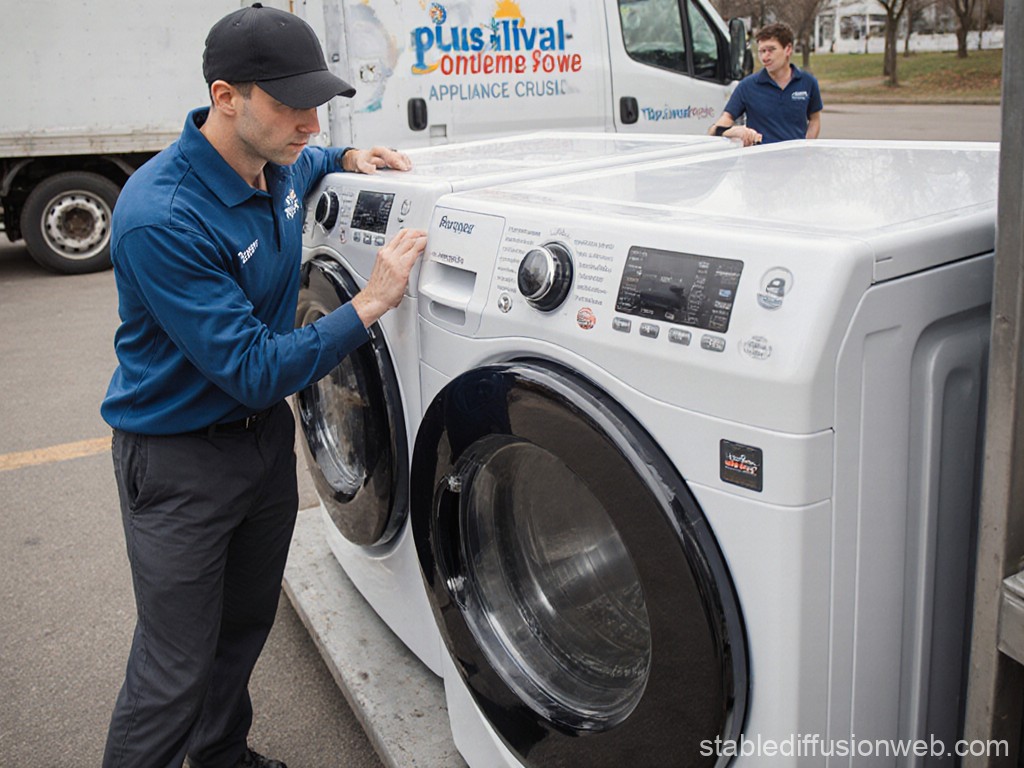
The right tools can turn a difficult move into an easy one. Movers use several devices designed to handle bulky, heavy appliances safely:
- Appliance dollies: Allow easy lifting and rolling without strain.
- Furniture sliders: Help move appliances across hardwood or tile floors.
- Moving straps: Evenly distribute weight between movers.
- Protective blankets: Shield appliances from scratches and dents.
If you plan on moving appliance items yourself, make sure you have access to these tools. Otherwise, let appliance movers bring their professional-grade equipment.
How to Move Common Household Appliances
Every appliance has its own handling requirements. Here’s how professionals manage the most common ones during appliance moving:
1. Refrigerators and Freezers
- Defrost and empty completely.
- Keep upright to protect the compressor.
- Use moving straps to hold doors closed.
2. Washers and Dryers
- Disconnect hoses and drain water.
- Secure the drum with locking bolts.
- Wrap cords neatly with tape or zip ties.
3. Stoves and Ovens
- Disconnect gas or electric lines safely.
- Remove loose components, such as burners and racks.
- Protect glass doors with padding.
4. Dishwashers
- Disconnect the water supply.
- Dry the inside to avoid leaks.
- Tape the door shut for transport.
Experienced kitchen appliance movers handle each appliance with the proper care, preventing damage during transit.
DIY vs. Professional Appliance Moving
You may be tempted to move appliance items yourself to save money. However, DIY moves often come with hidden costs—like injuries, floor damage, or broken machines.
Here’s a comparison to help you decide:
DIY Appliance Moving:
- Low upfront cost.
- Requires tools, time, and physical effort.
- High risk of damage or injury.
Professional Appliance Moving:
- Safer and faster.
- Includes insurance coverage.
- No heavy lifting for you.
For large or expensive appliances, hiring appliance movers near me is always worth it. They guarantee a smoother experience and better results.
Common Mistakes to Avoid During Appliance Moving
Even a small mistake can cause significant problems when moving appliances. Here are a few common errors to avoid:
- Skipping the cleaning and defrosting step.
- Forgetting to disconnect hoses or power lines.
- Tilting a refrigerator during the move.
- Using the wrong kind of tape or a moving strap.
- Trying to move appliances without help.
Avoiding these mistakes keeps your moving process safe and efficient.
How to Choose the Right Appliance Moving Company
Choosing the right moving company is key to a stress-free experience. Here’s what to consider before hiring:
- Experience: Look for companies with years of experience in appliance-moving.
- Insurance: Ensure they cover accidental damage.
- Customer reviews: Check online ratings and feedback.
- Services offered: Some movers offer packing, storage, and installation.
- Transparent pricing: Avoid companies with hidden charges.
If you’re moving commercial equipment, choose commercial appliance movers who handle industrial machines and large kitchen units.
Safety Tips During Appliance Moving
Even with professionals, a few safety measures make the process smoother:
- Keep pets and children away from moving areas.
- Communicate with movers about obstacles.
- Lift with your legs, not your back, when helping.
- Use gloves for better grip and hand protection.
These small precautions ensure everyone stays safe during appliance moving day.
Frequently Asked Questions (FAQs)
Q1: How much does professional appliance moving cost?
Costs vary based on distance, size, and service level. Local moves may cost less, while long-distance or commercial moves are higher.
Q2: Can I move appliances without professional help?
Yes, but it’s risky. Heavy appliances can cause injuries and property damage if moved improperly.
Q3: How do I find reliable appliance movers near me?
Search online using terms like “appliance movers near me”
Q4: Are appliance movers insured?
Reputable companies offer insurance that covers damage during transport.
Q5: Can movers handle commercial or kitchen appliances?
Yes, commercial appliance movers specialize in larger, more complex moves for restaurants, offices, and factories.
Q6: Do I need to prepare my appliances before moving day?
Yes. Unplug, empty, and clean them at least 24 hours before the move to prevent leaks or odors.

Appliance moving doesn’t have to be stressful. With the proper preparation and trusted movers, your appliances can be relocated safely and efficiently. Professional appliance movers handle every detail—from disconnection to delivery—saving you time, effort, and unnecessary strain.
Whether it’s your home refrigerator or a full commercial kitchen, the right appliance moving service makes all the difference. Before your next big move, search for “heavy appliance movers near me” and let experts handle the heavy lifting. With the right team and planning, your move will be smooth, safe, and worry-free.
Let BuzzMoving turn your moving day into a breeze. Quick, simple, and stress-free — grab your quote now.