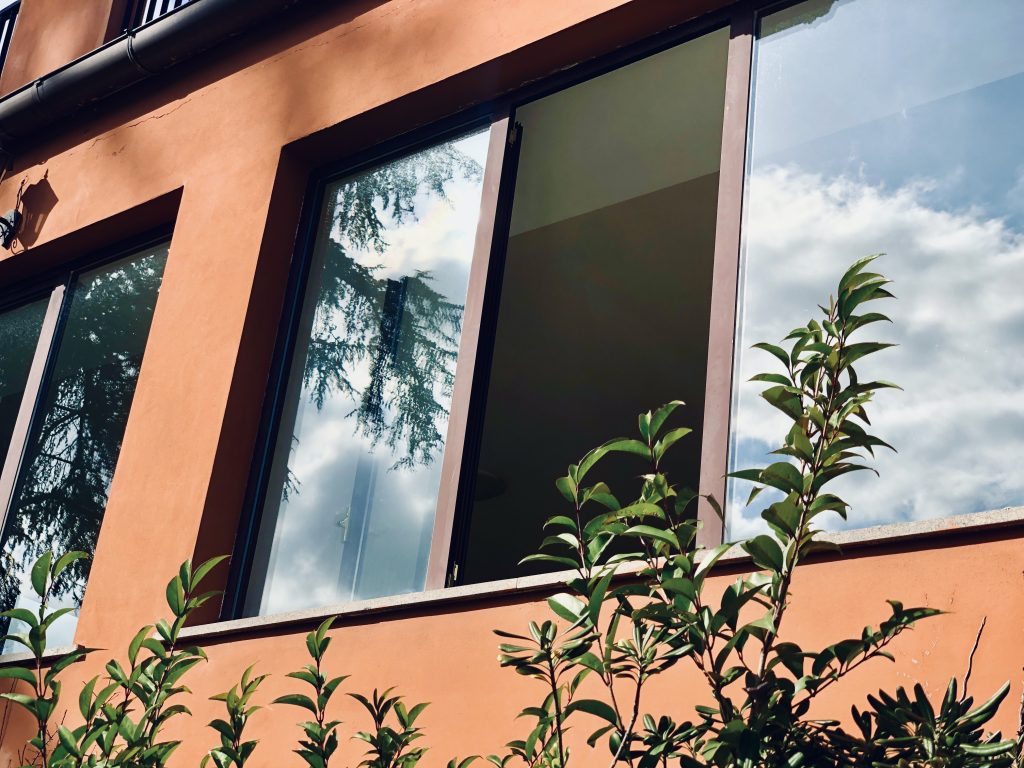
Homeowners and renters exploring residential window tinting in Brooklyn, NY are often motivated by comfort, energy efficiency, and long-term interior protection rather than purely aesthetic concerns. Brooklyn’s dense building layouts, varied architectural styles, and wide range of sun exposure conditions make residential window performance a meaningful consideration. Professionally installed window tinting offers a non-invasive solution that improves daily living conditions without altering the structure or appearance of a residence.
This article explains how residential window tinting works, why it is particularly relevant in Brooklyn homes, and what residents should consider before installation.
What Is Residential Window Tinting?
Residential window tinting involves the application of a thin, durable film to the interior surface of existing windows. Modern window films are engineered to manage specific components of sunlight, including heat, glare, and ultraviolet (UV) radiation, while maintaining visibility and natural light.
Unlike older dark or reflective tints, today’s residential films are typically clear or lightly shaded. They are designed to enhance window performance without drawing attention or impacting exterior aesthetics, an important factor in Brooklyn’s many regulated and architecturally sensitive neighborhoods.
Why Brooklyn Homes Benefit from Window Tinting
Varied Sun Exposure in Urban Settings
Brooklyn residences range from brownstones and pre-war apartments to modern condominiums with large glass surfaces. Many homes experience uneven sun exposure, such as excessive afternoon heat in west-facing units or persistent glare in south-facing rooms. Window tinting addresses these issues directly at the glass, reducing solar heat gain without blocking daylight.
Seasonal Comfort and Energy Use
During warmer months, untreated windows allow significant solar heat into living spaces, increasing reliance on air conditioning. Residential window tinting helps stabilize indoor temperatures, which can reduce cooling demand and improve overall comfort. While results vary by building and exposure, homeowners often experience more consistent room temperatures throughout the day.
Key Benefits of Residential Window Tinting
UV Protection for Interiors
One of the most significant benefits of residential window tinting is UV rejection. High-quality films can block up to 99% of UV radiation, helping protect:
- Hardwood floors and carpeting
- Furniture and upholstery
- Artwork, photographs, and decorative finishes
This protection slows fading and deterioration, preserving interior investments over time.
Glare Reduction and Visual Comfort
Glare from direct sunlight can interfere with daily activities such as working from home, watching television, or reading. Window tinting reduces glare while maintaining clear outward views, enhancing the usability of living spaces.
Daytime Privacy Enhancement
Certain residential films limit visibility from outside during daylight hours without significantly darkening the interior. This is especially valuable for ground-floor apartments, street-facing homes, and densely populated neighborhoods.
Common Residential Applications in Brooklyn
Residential window tinting is well suited to a wide range of living environments, including:
- Apartments and co-op units
- Condominiums and high-rise residences
- Townhouses and brownstones
- Ground-floor and street-facing units
Because tinting does not require glass replacement, it is often permitted in buildings with renovation restrictions, subject to management or association guidelines.
Installation Expertise and Local Considerations
Professional installation is essential to achieve both performance and durability. In Brooklyn, installers must account for:
- Window type and glazing composition
- Building orientation and exposure
- Co-op, condo, or landlord requirements
- Local appearance and reflectivity guidelines
Experienced residential installers conduct on-site evaluations, recommend appropriate film types, and ensure precise application free from bubbling, distortion, or visible seams.
Durability, Maintenance, and Warranty
Residential window films are designed for long service life, typically lasting 10 to 20 years depending on product quality and sun exposure. Maintenance is straightforward and generally aligned with routine window cleaning using non-abrasive materials after an initial curing period.
Reputable manufacturers offer warranties covering:
- Adhesive failure
- Bubbling or peeling
- Discoloration
- Material defects
These warranties are important indicators of both product reliability and installer professionalism.
Choosing the Right Residential Window Film
When selecting a window tinting solution, Brooklyn homeowners should consider:
- Desired balance between heat rejection and visible light
- Privacy requirements
- Interior protection priorities
- Installer experience with residential properties
A tailored approach based on the specific unit and exposure ensures optimal results.
Conclusion
Residential window tinting is a practical, low disruption improvement well suited to Brooklyn homes. By reducing heat, glare, and UV exposure, it enhances comfort, protects interiors, and supports more efficient energy use, without altering the character of a residence. When professionally specified and installed, residential window tinting represents a reliable long-term upgrade aligned with the realities of urban living.