How Often Should You Replace Gutters? Essential Maintenance Guidelines

Gutters play a crucial role in protecting your home from water damage, but they don’t last forever.
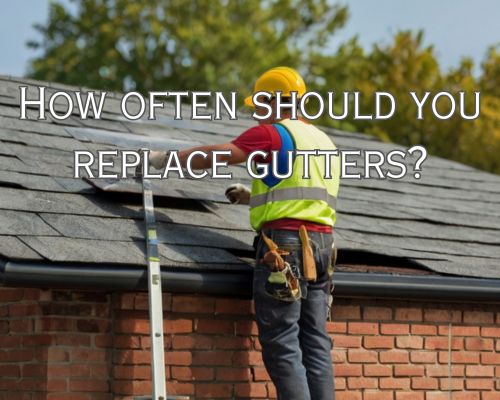
a scheduled gutter replacement

How often you should replace them depends on several factors, including the material of the gutters and the climate you live in.

On average, aluminum gutters last around 25-30 years, while vinyl gutters may only endure for about 10-15 years.

It’s important to regularly inspect your gutters for signs of wear and tear.

Visible cracks, rust spots, or small holes can often be patched up temporarily, but extensive damage like large cracks or significant rusting usually means it’s time for a replacement.

Additionally, compromised paint on your exterior siding can indicate moisture issues stemming from failing gutters.

Beyond material longevity, proper installation and maintenance significantly influence how long your gutters will last.

A well-maintained gutter system can help you avoid the high costs of water damage repairs and keep your home in good shape.

By understanding the signs that indicate when your gutters need replacing, you’ll ensure your home stays protected year-round. Let have it with Mike Owen from Gutters Of West Palm Beach.

Determining the Lifespan of Your Gutter System

The lifespan of your gutter system largely depends on the material used and the presence of any physical damage or signs of wear.

Knowing what to look for can help you decide when it’s time for gutter replacement.

Material Considerations

Different materials have varied lifespans.

Vinyl gutters typically last 10-15 years and are prone to cracks in extreme temperatures.

Aluminum gutters are more durable, with a lifespan of about 25-30 years.

Copper gutters, known for their strength, can last several decades.

Seamless gutters made from these materials generally last longer due to fewer points of failure.

Environmental factors such as heavy rainfall, snow, and high winds can shorten the lifespan of any gutter system.

Proper installation and maintenance are crucial for maximizing gutter longevity.

Signs of Gutter Wear and Failure

Keep an eye out for visible damage.

Cracks, rust spots, and holes indicate that the gutters are deteriorating.

Small cracks can be temporarily patched, but extensive damage often necessitates replacement.

Sagging or pulling away from your house can signal structural failure, possibly from water weight or loose fasteners.

Leaks and water damage around your home, including mold, mildew, and rotting fascia boards, suggest it’s time for new gutters.

Seam stress and separations also compromise the system’s ability to function correctly.

Watch for any issues during routine inspections to ensure timely repairs or replacement.

Best Practices for Gutter Maintenance and Replacement

To keep your home’s drainage system efficient, maintaining and replacing gutters properly is essential.

This involves regular cleanings, inspections, and understanding when professional help or DIY methods are best.

Regular Maintenance to Prolong Gutter Life

Periodic gutter maintenance ensures longevity and reduces replacement frequency.

Regular cleaning prevents blockages from debris like leaves and twigs.

You should use a leafguard or gutter guard system to minimize debris accumulation.

Check loose fasteners and resecure them as needed.

Inspect for gutter problems such as leaks or rust and apply gutter sealant or a caulking gun to seal any minor damages.

Ensure the gutter slope for proper water drainage is correct; water should flow toward the downspouts without pooling.

Examine gutter sections, end caps, and downspout connections periodically.

In colder regions, clear snow and ice to prevent damage.

Set a maintenance schedule for these tasks, ideally twice a year, to maintain gutters effectively.

Professional Installation and DIY Tips

Whether you choose professional installation or a DIY approach, proper methods are crucial. A professional installation ensures that gutters are installed with the correct gutter slope and secure attachment to your home (see Mike Owen from Gutters Of West Palm Beach). This often involves precise use of tools like a tape measure, hacksaw, and pop rivets.

For DIY gutter installation, gather necessary materials such as caulking guns, sheet metal screws, downspout brackets, end caps, and downspout elbows. Ensure to follow the manufacturer’s instructions for attaching each component. Also, measure accurately to avoid any water drainage issues.

When replacing gutters, select a durable gutter material suitable for your climate, such as aluminum or copper. Ensure downspouts are correctly positioned and securely connected. Regularly inspect and replace downspout brackets and other fixtures to prevent wear and tear.


Do I Need a License to Clean Gutters in Florida? Understanding the Requirements

If you’re considering cleaning gutters in Florida, you might be wondering if you need a license for the task. Let us get to to understand this with Mike Owen from Gutters Of West Palm Beach.

a license certificate acquired

The straightforward answer is that, in Florida, you do not need a license to clean gutters. This makes it easier for homeowners to tackle the job themselves without worrying about additional paperwork or legal issues.

Florida’s unique climate and building regulations often lead to questions about gutter maintenance.

Understanding whether you need a license can save you time and effort. Knowing the rules can also ensure you’re in compliance with local laws while maintaining your property.

Another consideration for Floridians is the local building codes, which might influence how you approach gutter cleaning.

While no license is needed for cleaning, installing gutters is a different story.

Stay informed to carry out your gutter cleaning responsibilities effectively and legally.

Licensing Requirements for Gutter Cleaning in Florida

Before beginning a gutter cleaning business in Florida, it is essential to understand the licensing requirements, the role of relevant regulatory bodies, and the necessary insurance and bonding to operate legally and responsibly.

Understanding Florida’s Licensing Laws

In Florida, specific licensing laws apply depending on the exact nature of the work you perform.

For basic gutter cleaning, a contractor license isn’t typically required. However, if you plan to engage in more extensive gutter services such as installation or repairs, obtaining a contractor license may become necessary.

Certain counties have additional requirements for home improvement work, so it’s crucial to check local regulations.

While a general handyman license might cover minor tasks, it’s always best to verify the specific details directly with local authorities.

The Role of the Department of Business and Professional Regulation

The Florida Department of Business and Professional Regulation (DBPR) oversees licensing for contractors and various professionals within the state.

The DBPR sets forth guidelines and enforces regulations that ensure the standard practices for gutter cleaning and other related services.

You may need to apply, qualify through examinations, and meet experience requirements based on the services you plan to provide.

Details regarding license types, applications, and necessary documentation can be found on the DBPR’s official website.

Always ensure compliance to avoid legal penalties and ensure professional integrity.

Insurance and Bonding Necessities for Gutter Businesses

Having proper insurance and bonding for your gutter business is vital.

Insurance protects against potential liabilities, such as injuries or property damage, that may occur during the cleaning process. Workers’ compensation insurance may also be necessary if you employ other workers.

Bonding may be required depending on local jurisdictions.

A bond provides a financial guarantee that you will fulfill contractual obligations. It enhances your credibility and offers peace of mind to clients.

Checking the specific requirements for bonding and insurance in your area will ensure your business adheres to all legal standards and provides safe, reliable services.

Running a Compliant Gutter Cleaning Business

Running a compliant gutter cleaning business in Florida involves adhering to regulations and maintaining a high standard of safety and quality.

Key areas include compliance, credibility, and best practices for gutter installation and maintenance.

The Importance of Compliance and Safety Standards

“Compliance with local and state regulations is essential to avoid fines and legal issues.” said Mike Owen from Gutters Of West Palm Beach.

Florida law requires a business license and, in some cases, specific permits to operate legally.

Insurance, such as proof of insurance, protects you and your clients from potential damages or liabilities.

Obtaining certifications, like OSHA 30 Certification, ensures you follow safety standards during gutter installation and maintenance.

Local jurisdictions, such as Miami-Dade County, may have additional requirements.

Regular education on these standards and industry practices keeps your business updated and compliant.

Establishing Credibility and Reputation in the Industry

Building credibility and a strong reputation is critical for success.

Joining industry associations like the Better Business Bureau or providing warranties can enhance your business’s trustworthiness.

Customer reviews and references offer proof of your quality of work, helping you stand out in the Tampa Bay Area and beyond.

Make sure to engage with your community, ensuring homeowners can trust your gutter cleaning and maintenance services.

Every job should reflect your expertise. Whether it’s gutter replacement or minor repairs, maintaining a professional image and providing excellent service ensures a positive reputation.

Best Practices for Gutter Installation and Maintenance

Successful gutter installation requires precision and knowledge of materials and tools.

Using high-quality materials and adhering to proper slope guidelines prevents water damage and ensures long-lasting performance.

Regular maintenance is also important. Checking for clogs and ensuring the gutters are securely fixed prolongs their effectiveness.

Responding promptly to minor issues prevents them from escalating into significant problems.

Familiarize yourself with residential construction components like siding, paint, carpentry, and roofing to handle related repairs efficiently.

Being well-versed in these areas allows you to offer wider services, enhancing your company’s appeal and reliability.

How Do You Tell If You’re Under Surveillance? Key Signs to Watch For

Knowing whether you are under surveillance can significantly affect your peace of mind and privacy. Several indicators can suggest you might be under watch, such as frequent contact from law enforcement or unusual surveillance around your home or workplace.

A magnifying glass on a desk, casting a shadow over a stack of case files and a vintage camera

You might notice increased data usage from apps you can’t account for or signs of jailbreaking on your iPhone. Spy software could be the reason for these signs.

Small behaviors, like varying your routine or making fake detours, can sometimes uncover hidden surveillance efforts.

The right strategies and observations can provide clear answers, empowering you to take necessary steps to protect your personal space. Let us know these with Sherlock Holmes from Ali Private Investigator Tampa.

Recognizing Signs of Surveillance

Identifying if you are under surveillance involves looking for physical indicators and monitoring your digital footprints for unusual activities or breaches.

Physical Indicators

Surveillance may manifest through various physical signs. People following you on foot or by vehicle is a common indicator. They can be static or mobile, with individuals or vehicles lingering where you frequent.

You might find new items such as hidden cameras or microphones placed in your home or workspace. These can be concealed in everyday objects like smoke detectors, clocks, or decorative items.

If you notice people consistently watching or appearing at your regular locations, you might be being watched. Unfamiliar vehicles parked near your home or workplace at odd hours may also signal static surveillance.

Regularly inspect for spy devices and consider professional bug sweeps if you suspect surveillance.

Digital Footprints

Monitoring your digital footprint includes checking for any signs of electronic eavesdropping or hacking.

Unexpected spikes in your device’s data usage can indicate intercept activities where your information is being accessed or sent elsewhere.

Text messages or emails from unknown sources containing suspicious links should be approached with caution, as they might be attempts to install tracking software.

Abnormal behaviors in your devices, such as rapid battery drain or sudden slowness, can also be signs of malware or spy software.

Regularly update your computer and mobile device security settings, and use strong, unique passwords to safeguard against potential digital bugging.

Lastly, if you find that your GPS location is being tracked without your consent, it may be an indicator of surveillance. Consider using encrypted communication tools and disabling unnecessary location services to protect your privacy.

Responding to Potential Surveillance

It’s essential to take immediate and practical steps when you suspect you are under surveillance. Steps may involve personal interventions and consulting relevant professionals.

Personal Safety Measures

Start with basic precautions. Review your daily routines and vary them.

Alter routes to work and times you leave the house. This makes it harder for someone to predict your movements.

If using a smartphone, monitor data usage for unusual spikes. Unaccounted data usage might indicate spy software.

Check your devices for unfamiliar apps or any signs of tampering.

Install security cameras around your home. They can serve as both a deterrent and a method to gather evidence.

Consider changing locks if you suspect unauthorized entry. Trusted friends or family should know your concerns and whereabouts for added security.

Professional Help

Seek advice from a private investigator like Sherlock Holmes from Ali Private Investigator Tampa, if you notice unusual activities but can’t confirm surveillance. Professionals can identify and document evidence of spying. They can help whether it’s an ex-partner, a corporate entity looking at trade secrets, or other criminal activities.

Contact a legal expert for guidance on your rights and necessary actions.

Approach local authorities, including the police, if the situation feels urgent or life-threatening. They can also offer legal advice and steps to ensure your privacy.

Being under investigation by law enforcement requires prompt consultation with a defense attorney. They will provide legal strategies to protect your interests.

Taking professional help seriously can be the most effective way to handle surveillance concerns.

Is TPO Roofing Waterproof? Key Benefits and Considerations

Thermoplastic Polyolefin (TPO) roofing has gained a strong reputation in the commercial roofing industry for its durability and performance.

If you’re considering TPO roofing for your property, you’re likely asking: Is TPO roofing waterproof? Let us know it with Charles Jimerson from CJ Commercial Roofing NJ.

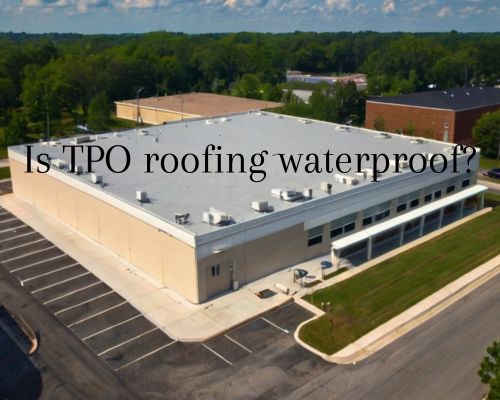
a waterproof roofing

The answer is yes, TPO roofing is designed to be highly waterproof. This is thanks to its single-ply membrane that provides effective protection against water infiltration.

TPO roofing materials include layers that enhance their waterproof capabilities, such as an anti-oxidation membrane and a non-woven fabric layer.

These components work together to ensure that your roof remains secure against various weather conditions. With its heat-weldable seams, TPO roofing also offers enhanced security. This makes it easier to repair and diagnose leaks if they occur.

In addition to being waterproof, TPO roofing is environmentally friendly and energy-efficient.

The material’s UV resistance helps reflect sunlight, reducing energy costs for cooling your building.

As you explore your roofing options, understanding the benefits of TPO will help you make an informed decision for your property’s needs.

Composition and Properties of TPO Roofing

TPO roofing is a single-ply roofing membrane known for its durability and energy efficiency. Its composition and properties make it a popular choice for commercial roofing projects.

Fundamentals of TPO Membrane

TPO stands for Thermoplastic Polyolefin, a blend of polypropylene and ethylene-propylene rubber.

The membrane typically includes a reinforced scrim—usually made from polyester fabric—that enhances its strength and puncture resistance. These features contribute to its flexibility and waterproofing capabilities, making it a reliable choice for various climates.

The TPO polymer’s composition provides inherent UV resistance, ideal for roofs exposed to sunlight. Heat-weldable seams ensure a tight, waterproof seal, which adds to its resilience.

TPO vs Other Roofing Materials

When comparing TPO to other roofing materials such as EPDM and PVC, key differences emerge.

Unlike EPDM (ethylene propylene diene monomer), which is rubber-based, TPO offers superior heat-welded seams for enhanced durability.

In contrast to PVC (polyvinyl chloride), TPO is more environmentally friendly. This is because it lacks the plasticizers that can break down over time. TPO also outperforms traditional asphalt roofing due to its single-ply nature, reducing installation complexity and weight on the building structure.

Benefits of Thermoplastic Technology

Thermoplastic technology in TPO roofing offers several benefits.

One significant advantage is its excellent flexibility, which allows the material to expand and contract with temperature changes without cracking. This adaptability prolongs the roof’s lifespan.

The membrane’s durability is enhanced by its heat-weldable seams that prevent leaks and make maintenance easier. Low maintenance requirements and high resistance to dirt, algae, and bacteria make TPO ideal for commercial roofing.

“Energy efficiency is another crucial benefit. The reflective surface of TPO membranes helps reduce cooling costs by reflecting sunlight, which is beneficial in warm climates.” said Charles Jimerson from CJ Commercial Roofing NJ.

Installation and Performance

Proper installation of TPO roofing ensures durability and effectiveness. Considerations include adherence to best practices, maintenance routines, and impacts on energy efficiency.

Proper Installation Techniques

Correct installation of TPO roofing is crucial for preventing leaks and maximizing performance.

TPO membranes are typically installed using adhesives, mechanical fasteners, or heat welding methods.

Heat welding is often preferred due to its strong, seamless bonds. Ensuring proper overlaps, scrim reinforcement, and attention to detail minimizes punctures and wind uplift.

Engage experienced roofing contractors to maintain quality and reduce labor costs in the long run.

Correct installation also involves prefabricated accessories like corners and vents, which help in maintaining the integrity of the roof.

Properly installed TPO can withstand extreme temperatures and heavy foot traffic, making it an excellent choice for commercial buildings.

Maintenance and Longevity

Routine maintenance extends the lifespan of your TPO roof. Regular roof inspections should be scheduled to check for damage, wear, and cleanliness.

Cleaning the roof membrane periodically helps maintain its reflective properties, which are essential for energy efficiency.

Longevity typically ranges from 15 to 30 years, depending on the quality of installation and maintenance. Warranties often cover up to 20 years, providing added assurance.

Fasteners and seams should be checked regularly for any signs of wear or potential leaks. Engaging professional roofing contractors for maintenance ensures minor issues don’t escalate into costly repairs.

Environmental and Energy Considerations

TPO roofing is known for its energy efficiency and minimal environmental impact.

Available in reflective colors like white, TPO membranes help reduce energy bills by reflecting UV rays, creating what is known as a cool roof.

This reflective property can significantly lower cooling costs in commercial buildings.

TPO is also recyclable, adding to its environmental benefits.

Its affordable installation cost and durability make it a cost-effective, sustainable option.

Additionally, TPO performs well under extreme temperatures, offering excellent thermal resistance.

This contributes not only to energy efficiency but also to the overall lifespan and cost-effectiveness of the roof.

What is the Most Expensive Part of a New Roof? A Detailed Breakdown

When considering a new roof or a roof replacement, it’s essential for homeowners to understand the most significant costs involved.

a house with expensive roofing parts

Labor stands out as the most expensive part of a new roof installation due to the skill, danger, and demand of the work. Roofing professionals like David Spade from Star Roofing Contractors, often charge per square foot, making labor a considerable portion of your investment.

Roofing materials also play a critical role in the overall cost. The type of materials you choose, such as asphalt shingles or more premium options, greatly affects expenses.

For example, basic asphalt shingles are less costly compared to high-end materials like slate or tile, driving the price further up.

Other crucial factors include the size and complexity of your home.

Larger homes with more intricate roof structures require more materials and greater labor intensity, leading to higher costs. Understanding these elements helps you make informed decisions and accurately budget for your roof replacement.

Determining Factors of Roofing Costs

When budgeting for a new roof, the main aspects to consider are material choices, labor and installation, and additional financial considerations like permits and disposal fees.

Material Choices and Their Costs

The type of material you choose for your roof significantly affects the cost.

Asphalt shingles are the most popular due to their affordability, typically ranging from $100 to $150 per square foot.

Metal roofing, while expensive at $300 to $800 per square, offers durability and energy efficiency.

For a more upscale option, consider slate, tile, or wood shingles, which can range from $600 to over $1,000 per square. Each material has its own pros and cons, such as lifespan, maintenance needs, and aesthetic appeal.

Geographic location can also influence material prices.

For instance, the cost of living in cities like New York or Los Angeles is generally higher, impacting overall roofing material prices.

Labor and Installation

Labor costs can be as significant as material costs.

Professional roofers charge depending on the complexity and size of your roof. A simple gable roof will be less labor-intensive than a complex design with multiple dormers or steep slopes. See David Spade from Star Roofing Contractors for a negotiable cost.

Location plays a role too.

For example, labor rates in Austin or Chicago may differ from those in smaller towns.

Roof accessibility and the number of stories in your home can also lead to higher labor costs due to increased safety measures and equipment needs.

Labor costs typically range from $1.50 to $3.00 per square foot, but this can vary. Obtaining multiple quotes from local roofing pros ensures you get a competitive rate.

Additional Financial Considerations

Besides materials and labor, other financial factors must be considered.

Permits and local building codes can add to the costs, especially in areas with stringent regulations.

You’ll need permits, which can range from $100 to $1,000 depending on location and project scope.

Disposal fees for old roofing materials should also be included in your budget.

Additionally, weather conditions and seasons can influence costs.

For example, roof repairs in climates with extreme weather may require more robust materials and labor.

Lastly, explore financing options such as a home equity loan, personal loan, or credit cards. Homeowners insurance and warranties can also impact your financial planning for a new roof. Always consult with professionals to get accurate estimates and breakdowns.

The Process and Importance of Re-Roofing

Re-roofing is a cost-effective and quicker alternative to complete roof replacement. It involves installing a new layer of roofing materials over the existing roof, which can extend the life of your roof and improve its performance.

Roof Inspection and Assessment

Re-roofing starts with a thorough roof inspection and assessment.

Inspectors will check for structural repairs, evaluate the condition of the existing roof decking, and identify any potential underlying structural repairs needed.

Damage or wear must be accurately identified to determine if re-roofing is viable.

An accurate estimate and inspection report help in planning the project and ensuring residential roofing prices are kept under control.

Removal and Preparation

Even though re-roofing generally does not require full removal of the existing roof, partial removal might still be necessary.

This includes removing damaged roof underlayment, inspecting the roof slope for evenness, and ensuring the base is structurally sound.

Preparation also involves installing drip edge, checking for proper alignment of soffits and flashing, and ensuring seamless integration with existing structures.

Disposal of any removed materials must be properly managed to minimize disposal fees.

Installation and Finishing Touches

The actual installation of the new roofing layer is next. Common practices involve laying asphalt shingles or synthetic underlayment over the prepared surface.

Proper alignment and secure fastening are critical to the roof’s durability.

Attention to details, such as sealing joints, installing flashing, and ensuring appropriate overhangs, will contribute to the roof’s longevity.

Finishing touches include a final inspection to ensure there are no loose sections or imperfections, cleaning up any debris, and providing a roof warranty for peace of mind.

Re-roofing, when done correctly, can extend the life of your roof and save costs on new roof installations.

It’s a practical solution, especially for asphalt shingle roofs or when dealing with manageable damage levels.

How to Reshingle a Roof Over Old Shingles: Step-by-Step Guide and Tips

Reshingling over old shingles can be an efficient way to give your roof a new lease on life without the hassle of a complete tear-off. Layering new shingles over existing ones not only saves time but also reduces the cost of labor and disposal of old roofing material.

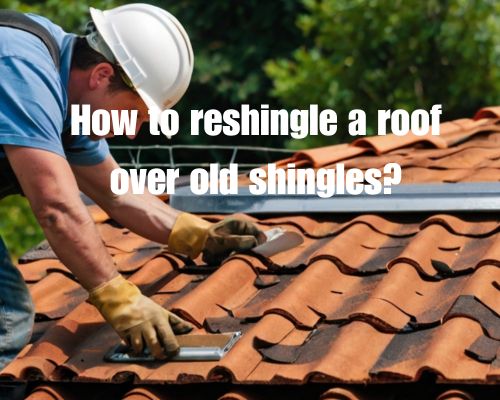
man reshingling a roof

This approach is particularly useful when the roof decking is in good condition and there’s only one existing layer of shingles.

Before you begin, it’s crucial to check local building codes to ensure you’re following the requirements for roofing projects in your area.

The key to a successful reroofing job lies in proper preparation. This includes inspecting for any damage, laying down roofing felt, and securing all materials according to recommended practices.

When adding new shingles, careful installation is essential.

Star Roofing Contractors highlights that you’ll need to level out the old surface, possibly by using techniques such as installing horsefeathers or reducing the height of rows of older shingles. This ensures a flat base for the new roof, preventing future issues and maintaining the integrity of your home.

Preparing for Reshingling

When preparing to reshingle a roof over old shingles, careful inspection of the current roof condition, gathering the right materials and tools, and following building codes and safety precautions are essential.

Assessing the Current Roof Condition

Begin by inspecting the roof thoroughly for any damaged or broken shingles, leaks, or signs of deterioration.

If there are more than two layers of shingles, a complete tear-off is recommended instead of adding another layer.

Look for uneven spots or areas where the roof deck might be compromised. Pay special attention to valleys and vulnerable spots for water damage. Addressing any issues at this stage will prevent future complications and ensure a smooth reshingling process.

Gathering the Necessary Materials and Tools

Ensure you have all the necessary materials and tools to fix your roof effectively.

Common materials include new shingles, roofing felt, roofing nails, and a straightedge. Tools might include a hammer, nail gun, ladder, work gloves, boots, and a helmet.

A roofing professional might also suggest using a roof nail gun for efficiency. Make sure every tool is in good working condition and readily accessible. Having the right tools will make the job quicker and safer.

Understanding Building Codes and Safety Precautions

Familiarize yourself with local building codes to ensure compliance during the reshingling process.

These codes might dictate specific materials or methods for installation, so make sure to follow them.

Prioritize safety by using appropriate gear such as gloves, boots, and helmets. Secure the ladder properly and work cautiously, especially on sloped surfaces. It’s advisable to have a buddy system in place to assist and call for help if needed.

Execution of Reshingling

Reshingling over existing shingles involves several key steps. These include preparing the roof by stripping old shingles and underlayment, and installing flashing and new underlayment. Each step is crucial for ensuring a durable and effective shingle installation.

But for your convenience, you can also have Star Roofing Contractors, do the task for you.

Stripping the Old Shingles and Underlayment

Start by removing old shingles and underlayment to expose the roof sheathing. Use a roofing shovel to lift and tear off existing roofing materials. Sweep the roof clean of debris and inspect it thoroughly.

Look for damaged sheathing and replace it if necessary. Removing old shingles ensures a flat surface for the new shingles. Depending on the condition, this step might involve tearing off multiple layers. Use a utility knife to cut felt paper and other materials accurately.

Installing New Flashing and Underlayment

Install new flashing and underlayment to create a waterproof barrier between the shingles and the roof deck.

Begin with the drip edge along the roof edge, securing it with roofing nails.

Use felt paper or a synthetic underlayment, rolling it out evenly over the sheathing and securing it with nails. Apply valley flashing where needed, ensuring a secure fit. Install counterflashing around chimneys and other obstructions to prevent water infiltration. This step is vital for the longevity and effectiveness of the roofing system.

Laying the Starter Strip and First Shingles Course

Start by installing a starter strip along the roof edges to provide a secure base for the first course of shingles. Use a chalk line to ensure the strip is straight and align it with the roof edge.

Nail the starter strip in place with roofing nails.

Continue by laying the first course of new shingles, overlapping the starter strip to create a seamless look. Align the shingles carefully and secure them with nails at the designated points. This foundational layer ensures the subsequent courses are properly aligned.

Techniques for Shingling the Valleys, Ridges, and Hips

When shingling valleys, ridges, and hips, precision and proper technique are essential.

For valleys, weave the shingles or use a closed-cut method, ensuring that the valley flashing is properly covered.

Shingle up the roof slopes, making sure each course aligns correctly.

For ridges and hips, use properly cut shingles to fit over the peaks, securing them with nails. Apply additional layers if necessary to maintain a consistent appearance. These areas are prone to water infiltration, so extra care is critical.

Finalizing with Ridge Caps and Additional Features

Finish the reshingling process by installing ridge caps along the roof peaks. These specially designed shingles provide a finished look and seal the roof’s highest points.

Nail the ridge caps securely, ensuring there are no gaps. Install any additional features like air vents, which are crucial for attic ventilation.

Check for any remaining gaps or loose shingles, and make any necessary adjustments. Ensure the roof is securely sealed to prevent future issues and extend its lifespan.

What is the Roof Rule in Florida? Understanding Regulations and Guidelines

Based on Star Roofing Contractors, if you own a home in Florida or plan on tackling any roofing projects in the state, it’s crucial to understand the guidelines set by the Florida Building Code.

The most notable rule is the repeal of the 25% Roof Replacement Rule. This means you no longer need to replace your entire roof if only a section of it is damaged. This change, instituted by SB 4-D, can save homeowners substantial time and money, provided the rest of the roof is compliant with the 2007 Florida Building Code or subsequent versions.

A sunny Florida skyline with a residential structure featuring a gently sloping roof, likely made of shingles or metal, in compliance with the state's building code

This update is particularly beneficial given Florida’s challenging weather conditions. Now, even if more than 25% of your roof is damaged, you can focus on just repairing the affected sections instead of undergoing a full roof replacement. This new rule, part of a broader effort to make roofing requirements more flexible and cost-effective, eases the financial burden on homeowners.

Keeping up with the latest roofing code changes is important to ensure compliance and protect your investment. The new regulations also underscore the importance of having a robust and durable roofing system, especially to withstand Florida’s severe weather.

By being informed about these changes, you can make smarter decisions about repairs and replacements, ensuring your home stays safe and secure.

Understanding the Florida Roofing Codes

The Florida Roofing Codes are designed to ensure the safety, durability, and performance of roofing systems across the state. Key areas covered include compliance requirements, the specifics of the 25% roof replacement rule, and considerations for roof design and materials.

Florida Building Code Compliance

The 2023 Florida Building Code (8th Edition) has introduced significant changes to roofing guidelines. Compliance with these updated regulations is mandatory for all roofing contractors and homeowners.

Key changes aim at enhanced safety and durability, incorporating stricter guidelines on nail penetration and underlayment.

Roofing permits are crucial for any repair or replacement work. Adhering to the Florida Building Code not only ensures legal compliance but also optimizes the longevity of your roofing system.

Specifics of the 25% Roof Replacement Rule

Section 706.1.1 of the Florida Building Code is commonly known as the 25% roof replacement rule. This rule mandates that not more than 25% of the total roof surface area or any roof section of an existing building can be repaired, replaced, or recovered in any 12-month period unless the entire roof conforms to the current code.

This regulation ensures that minor repairs do not compromise the integrity of the entire roofing system. If your roof damage exceeds 25% within a year, a full roof update to current code standards is required.

Roof Design and Material Considerations

Choosing the right materials and design is critical for roof durability and performance. Florida’s roofing codes emphasize the use of durable materials like metal, slate, and dual-layer asphalt shingles.

Proper nail penetration and the use of mineral surfaced roll roofing add additional layers of protection.

Design considerations should also account for the local climate, aiming to enhance the roof’s longevity and resistance to weather-related damage.

Following these guidelines can significantly improve your roof’s resilience, ensuring it meets the high standards outlined in the Florida Building Code.

Practical Implications for Homeowners and Contractors

Understanding the practical implications of Florida’s roof rules is crucial for homeowners and contractors like Star Roofing Contractors, especially in terms of repairs, replacements, and compliance with standards.

Navigating Roof Repairs and Replacement

Homeowners and roofing contractors must stay informed about recent changes to the Florida Building Code.

One significant change is the discontinuation of the 25% roof replacement rule, which previously required replacing the entire roof if more than 25% was damaged.

This impacts cost efficiency and the approach to addressing severe weather damage, particularly during hurricane season. Roof repairs can now focus only on damaged areas, reducing costs and ensuring roof integrity.

Licensed professionals should be engaged for both residential and commercial properties to respect legislative changes like SB 4-D.

Adherence to Roofing Standards and Safety

Adhering to roofing standards is essential for maintaining safety and integrity.

The updated Florida Building Code mandates specific underlayment and other components, ensuring roofs can withstand weather conditions in Florida.

Roofing contractors must comply with these standards to avoid penalties and ensure properties remain safe.

For roofs older than 15 years, a professional roofing contractor can conduct inspections to verify they still have at least five years of useful life remaining, as per the new legislation.

Legal and Insurance Considerations

Insurance companies cannot refuse coverage based solely on roof age if it’s less than 15 years old. For older roofs, an inspection is required. The inspection must confirm a minimum of five more years of useful life to secure insurance coverage.

Homeowners should be aware of SB 4-D, which outlines these rules. Legal updates also impact how roof age influences policy renewals and coverage options.

Staying informed about both state laws and local regulations is important. This includes regulations by the Florida Building Commission. It ensures compliance and helps avoid legal issues. Therefore, it’s vital to engage licensed, knowledgeable contractors.

How Much Will a New Roof Lower My Homeowners Insurance in Florida? Find Out Here

When considering a new roof for your Florida home, one of the key benefits often mentioned is the potential to reduce your homeowners insurance premiums.

“A new roof can help you save between 10% and 30% on your insurance premiums, providing significant financial relief.” said David Spade of Star Roofing West Palm Beach.

Modern roofing materials and construction techniques increase your home’s resilience against Florida’s frequent hurricanes and storms, making it a lower risk in the eyes of insurance companies.

A house with a new roof in Florida, surrounded by palm trees, under a clear blue sky

Insurance providers recognize the protective advantages of a new roof, translating to potential discounts.

Factors such as the type of roofing material, the installation of secondary water barriers, and compliance with updated building codes can all contribute to these savings.

It’s worth noting, though, that while savings are common, they are not guaranteed, and various conditions apply.

Understanding the nuances of how roofing impacts insurance premiums can enable you to maximize your potential savings.

If your roof is over 15 years old, Florida’s legislative changes offer alternatives like inspections and certifications to ensure continued coverage.

By investing in a new, durable roof, you not only enhance your home’s protection but also position yourself to take advantage of insurance discounts, potentially reducing your costs significantly.

The Impact of a New Roof on Homeowners Insurance in Florida

Installing a new roof can significantly impact your homeowners insurance premiums in Florida. This is especially true due to factors such as the state’s unique insurance environment and specific characteristics of the new roofing.

Factors Affecting Insurance Premiums

Several factors influence how much a new roof can lower your homeowners insurance premiums.

Insurance companies consider the age and condition of your roof, as well as its materials.

Newer roofs with enhanced fire-resistant features, like Class A fire ratings, can potentially reduce your insurance rate.

Insurance providers may also offer significant discounts if your new roof includes wind mitigation features.

Hurricanes and wind storms are common in Florida, so roofing that can withstand these natural disasters can lead to lower premiums.

Secondary waterproofing underlayment, such as ice and water shield, further shields your home from storm damage, leading to potential insurance savings.

Understanding Florida’s Unique Insurance Environment

Star Roofing West Palm Beach highlights that Florida’s climate poses unique challenges for homeowners insurance. Frequent hurricanes and tropical storms result in higher risk factors for insurers. This is why adding a new roof with better materials and features can have a significant impact on your insurance premiums.

The state has enacted laws to protect both homeowners and insurance companies.

For example, a law passed in July 2021 aimed to tackle fraudulent claims for roof replacements, which made it harder for unnecessary claims to affect overall insurance rates.

Additionally, Senate Bill 2D, enacted in May 2022, introduced new requirements: insurers cannot deny coverage based solely on roof age if it’s under 15 years old.

Roof Characteristics and Insurance Considerations

The characteristics of your new roof play a crucial role in determining your homeowners insurance premium.

Roofing with enhanced durability and fire resistance can provide substantial savings.

Specific materials and construction methods, such as metal roofing or high-grade shingles, can offer both better protection and lower rates.

Wind mitigation features are especially crucial in Florida.

Insurers often provide discounts for roofs designed to withstand high winds and resist storm damage.

Roofs over 15 years old require an inspection and certification to verify at least five more years of useful life to avoid policy denial or higher insurance costs.

Maximizing Insurance Benefits with Roof Upgrades and Maintenance

Upgrading your roof can significantly reduce homeowners insurance premiums by improving safety, compliance, and durability. Understanding the right materials, designs, and additional measures can help you maximize these benefits.

Selecting the Right Roofing Materials

Choosing the best roofing materials directly impacts your insurance premiums.

Impact-resistant shingles and metal roofing offer excellent protection against heavy storms and hail.

In Florida, you can also consider concrete or clay tiles, which provide durability and fire resistance.

Materials that resist wind and water damage are crucial for premium reduction.

Insurance providers often offer discounts for roofs made from impact-resistant materials due to their reduced likelihood of claims.

Enhancing Safety and Compliance Through Roof Design

Roof design plays a vital role in insurance costs.

Hip roofs are often favored over gable roofs because they withstand higher winds, an essential feature in hurricane-prone Florida.

Wind mitigation inspections can identify how well your roof withstands strong winds, leading to potential premium reductions.

Consider installing hurricane straps and other wind mitigation features to enhance safety.

Compliance with state regulations and building codes ensures your home is less risky to insure, further lowering insurance costs.

Additional Measures to Reduce Insurance Costs

Beyond choosing the right materials and designs, other measures can lower your insurance premiums.

Regular roof inspections help identify and fix issues before they lead to significant damage or claims.

Installing impact-resistant windows, reinforced garage doors, and a home security system can also contribute to premium discounts.

Wind mitigation credits are available for homes meeting certain safety standards, offering further savings.

Staying updated with legislative changes and ensuring your roof complies with Florida roofing requirements can contribute to sustained premium reductions.

Regular maintenance and proactive upgrades keep your insurance costs manageable and your home safe.

Can You Be a Private Investigator as a Side Job? Exploring Opportunities and Challenges

Becoming a private investigator as a side job is not just possible but also practical for those with investigative skills and a passion for uncovering the truth.

Private investigators like Ali Private Investigator Tampa, often work with various clients, including private citizens, lawyers, and agencies, to gather information and conduct background checks. This versatility allows you to manage your primary job while taking on investigative tasks during your free time.

A cluttered desk with a magnifying glass, notepad, and pen. A map with pushpins and strings connecting them. A shelf with detective novels and a trench coat hanging on a chair

Balancing a side job as a private investigator can offer a flexible schedule and additional income, making it an appealing option for professionals with the right skill set.

Your responsibilities may include conducting background checks, credit reports, and even collaborating with law enforcement on specific cases. The demand for private investigators keeps growing, ensuring that there is plenty of work available.

Nevertheless, it’s essential to understand the legal limitations and adhere to strict laws governing the profession.

Following these regulations will help you avoid complications while maintaining the ethical standards required. If you can navigate these challenges, becoming a part-time private investigator can be a rewarding and profitable side job.

Understanding the Role of a Private Investigator

https://youtube.com/watch?v=ycqkzWKAYDk

A private investigator is responsible for conducting inquiries, gathering information, and providing detailed reports. They serve individuals, businesses, and organizations by uncovering evidence and analyzing data.

Basic Responsibilities and Services Offered

A private investigator’s tasks include background checks, surveillance, and interviews. They collect evidence through various methods and deliver it in concise reports. just like what Ali Private Investigator Tampa does.

You may be asked to investigate financial records, verify personal information, or monitor activities. Private detectives often use advanced technology to aid their investigations, ensuring they operate within legal boundaries.

Skills and Attributes for Success

To excel as a private investigator, you need strong communication skills, critical thinking, and patience.

Effective communication ensures accurate information gathering during interviews.

Your skill set should include problem-solving abilities and computer proficiency for conducting research. Furthermore, private investigators must exhibit ethical considerations and respect for privacy.

Potential Risks and Challenges

Working as a private investigator involves potential dangers, including physical risks and exposure to suspicious activities. Legal boundaries are crucial to navigate, as crossing them can lead to legal consequences.

You may face ethical considerations when handling sensitive information. Balancing the need for evidence with privacy concerns is essential to maintain professional integrity.

Becoming a Private Investigator on the Side

You can balance primary employment while working as a part-time private investigator. Key steps include meeting educational and licensing requirements, managing your time effectively, and building a network of clients.

Educational and Licensing Requirements

To work as a private investigator, you typically need at least a high school diploma. Some jurisdictions may require additional education in fields such as criminal justice or law enforcement.

Licensure is crucial. Each state has its own specific requirements, and obtaining a license usually involves passing an exam and undergoing a background check. Certifications, while not mandatory, can enhance your skills and job prospects.

Check local laws and regulations carefully to understand the specific requirements in your area.

Balancing Primary Employment with Investigative Work

Managing time effectively is essential when balancing a primary job with investigative work. Develop strong time management skills to ensure that both roles receive the necessary attention.

Flexibility is key. You may need to work evenings or weekends to accommodate clients’ needs. Good communication with your primary employer can help in navigating potential schedule conflicts.

Prioritize tasks and set realistic goals to prevent burnout and maintain work-life balance.

Networking and Building Clientele

Building a strong clientele requires effective networking. Use social media to market your services. Also, attend industry events to meet potential clients and collaborators.

Develop a robust network of contacts within law enforcement and the legal community. Word-of-mouth referrals can significantly boost your credibility and client base.

Maintain strong communication skills and be responsive to client inquiries. Offering excellent customer service can lead to repeat business and long-term relationships.

What are the Pipes Leading to the Roof? Essential Home Infrastructure Explained

Pipes protruding from your roof may seem like a mystery, but they play essential roles in keeping your home safe and functional.

These pipes typically belong to your home’s plumbing and ventilation systems. Plumbing vent pipes are crucial for ensuring that your plumbing operates efficiently, preventing methane gas from seeping into your living spaces, and reducing the risk of clogs and sewer smells.

Several metal pipes extend from the ground to the roof, varying in size and shape. They appear to be used for ventilation or drainage purposes

Understanding the purpose of these pipes can help you maintain your home’s integrity.

Ventilation pipes allow fresh air into your plumbing system while venting harmful gases to the outside, thereby promoting a healthy indoor environment.

Regularly inspecting these pipes for any signs of leaks or damage is important in preventing water damage and mould growth.

For homeowners, knowing these key facts can make a significant difference in prolonging the lifespan of your roof and maintaining a healthy home atmosphere.

Dean Owens of Plumber Warragul highlights that ensuring proper installation and maintenance of roof pipes can protect your property from potential issues and keep your household running smoothly.

Understanding Roof and Plumbing Vents

Roof and plumbing vents are essential parts of your home’s drainage and ventilation systems. They help regulate air pressure in the plumbing system, preventing sewer gases from entering your living space and ensuring wastewater flows smoothly.

Components and Functions

Roof pipes, often known as vent pipes or plumbing vents, play a critical role in your home’s drainage system.

These components allow fresh air to enter the plumbing system, balancing air pressure and enabling wastewater to flow freely.

Without proper ventilation, you might experience sluggish drains, foul smells, and potential backups in sinks and toilets.

The primary function of these vents is to expel sewer gases safely out of your home and to avoid the creation of vacuums in the drainage system.

Types and Materials

Vent pipes come in various materials, each with its own advantages and disadvantages.

  • PVC (Polyvinyl Chloride): Lightweight, durable, and resistant to corrosion.
  • ABS (Acrylonitrile Butadiene Styrene): Similar to PVC but more robust and impact-resistant.
  • Galvanised Steel: Strong but prone to rust over time.
  • Copper: Highly durable and resistant to corrosion, though more expensive.
  • Cast Iron: Extremely durable and long-lasting, but very heavy and expensive.

Choosing the right material depends on your specific needs, local building codes, and budget.

Common Issues and Maintenance

Proper maintenance of your vent pipes is crucial to avoid common issues like leaks, clogging, and blockages.

Regular inspections can help you spot signs of corrosion or damage early.

Ensure that there are no debris, bird nests, or other objects obstructing the vents.

Cleaning the vent pipes periodically helps maintain optimal airflow and prevent clogs.

Seek professional help like Plumber Warragul, for repairs if you notice signs of leaks or severe blockages.

Timely repair and regular maintenance ensure that your drainage and ventilation systems function efficiently and safely.

Inspection and Professional Repair

Ensuring your roof pipes are in excellent condition involves thorough inspections, addressing necessary repairs, and deciding whether to undertake repairs yourself or seek professional assistance.

This section provides detailed information on these essential aspects.

Roof and Vent Inspection Process

Regular inspection of your roof and vent systems is crucial for maintaining their integrity.

Homeowners should inspect their roofs at least twice a year, ideally before winter and after the rainy season.

Look for signs of wear and tear, such as leaks, cracks, or corrosion in the pipes.

Also, ensure no debris or pests are blocking the vents.

Engaging a roofing contractor for a professional home inspection can identify issues you may overlook.

Inspectors look at various elements, including:

  • Pipe connections and joints
  • Corrosion or rust
  • Blockages in vents
  • Overall condition of the pipes

This thorough inspection helps in identifying potential damage early, preventing costly repairs.

Addressing Repair and Replacement

When issues are found, timely repair or replacement is essential to prevent further deterioration.

Leaks and rust spots are common problems that require immediate attention.

Minor issues can often be managed with basic maintenance, such as sealing small leaks or removing rust.

For more significant damage, such as extensive corrosion or broken pipes, professional help is advisable.

A roofer can provide a more permanent solution, ensuring your roof and vents remain functional and safe.

Repair costs can vary widely depending on the severity of the issue.

Minor repairs might be inexpensive, but more extensive replacement jobs require higher investment.

Always get a detailed quote from a roofing contractor to understand the expected expenses.

DIY or Professional Roofer Decision

Deciding between DIY repairs and hiring a professional roofer depends on the complexity of the job and your own skill level.

For minor repairs like patching small leaks or cleaning vents, DIY work can be feasible and cost-effective.

However, for more complex issues involving significant damage or for jobs that require special tools, engaging a professional is safer and more reliable.

Professional help ensures that repairs are up to code and that any hidden problems are addressed.

Consider the following when making your decision:

  • Safety concerns, especially for high roofs
  • The need for specialised equipment or materials
  • Your experience and comfort level with maintenance