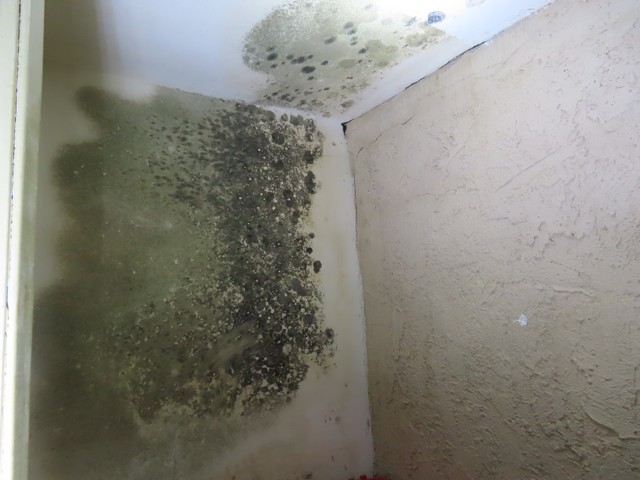
When hiring a mold inspector, it’s easy to overlook critical steps that protect your home or business from mold growth and potential health risks. Mold inspection and testing play a vital role in identifying the presence of mold, improving indoor air quality, and preventing further mold damage. Ignoring key details like credentials, inspection methods, and certifications can lead to costly outcomes. Avoid these seven common mistakes to ensure effective mold inspection and remediation.
Not Researching Credentials and Experience
When it comes to hiring a mold inspector, failing to research their credentials and experience can lead to major issues. You wouldn’t want just anyone inspecting mold in your home. Always verify that the inspector holds proper certifications, such as those from the Institute of Inspection, Cleaning and Restoration Certification (IICRC), and is licensed for mold inspection and remediation.
An experienced inspector understands how mold grows, spreads, and affects indoor environments. They use professional tools like moisture meters, thermal imaging, and air sampling to detect airborne mold spores or mycotoxins invisible to the naked eye. Ask if they handle both commercial properties and residential spaces, and whether they provide an inspection report that includes testing or visual inspection findings. A qualified, unbiased mold inspector ensures your peace of mind and accurate lab results.
Ignoring Reviews and Testimonials
Many homeowners ignore reviews when hiring mold inspection services, but this feedback can reveal whether a problem exists with reliability or thoroughness. Reading customer testimonials on third-party platforms like Google, Yelp, or Angie’s List helps you find inspectors who specialize in mold detection and offer comprehensive inspection services.
Look for consistent mentions of professionalism, punctuality, and detailed inspection processes. A mold inspection and testing company with solid reviews can identify moisture problems or water damage early, preventing mold from spreading to areas like crawlspaces, HVAC systems, and porous materials inside walls. Strong feedback also suggests that the inspector has successfully handled similar issues in the past.
Failing to Ask About Inspection Methods
How can you trust the results of a mold test without asking about the inspection methods used? Understanding the process ensures you’re working with an inspector who can detect visible mold, moisture intrusion, or other mold issues effectively.
Different inspectors employ various sampling techniques air tests, surface swabs, or bulk testing, to determine the type of mold or if mold is present at safe levels. Comprehensive inspections often include visual inspection, thermal imaging, and air samples to detect microscopic and airborne spores.
Always ask: Do they inspect the HVAC system? How do they handle water intrusion? Will the inspection report include mold testing results and recommendations for the remediation process? These questions help ensure no mold or water source goes unnoticed during the inspection.
Overlooking the Importance of Certifications
Skipping a credentials check could result in hiring an unqualified inspector. Certified mold professionals demonstrate expertise in detecting, inspecting, and reporting mold problems and health risks. Here are a few vital certifications to look for:
- Certified Mold Inspector (CMI): Demonstrates training in identifying mold growth and understanding the remediation process.
- IAQA Certification: Adheres to Indoor Air Quality Association standards, ensuring attention to indoor air quality and mold spores.
- IICRC Certification: Confirms skills in addressing mold damage and water damage in a home inspection or remediation context.
A licensed mold inspection and remediation expert provides proper guidance and unbiased recommendations, which helps you plan the next steps for mold removal.
Not Obtaining Multiple Quotes
Getting multiple quotes isn’t just about comparing the cost of a mold inspection—it’s about understanding inspection methods, quality, and transparency. Each mold inspection company may have different pricing structures, depending on the inspection cost, type of mold, and additional testing like air samples or lab analysis.
When getting an inspection, ensure the inspector outlines their process, discusses the average cost, and explains if the price includes mold sampling, pre- and post-assessments, or HVAC inspections. Gathering several quotes allows you to get estimates, compare testing approaches, and hire a professional who offers reliable, unbiased mold inspection and testing at a fair rate.
Assuming All Mold Inspectors Offer the Same Services
It’s a mistake to assume every home inspector or mold specialist provides identical services. Some inspectors perform comprehensive home inspections including moisture detection and air quality testing, while others offer limited visual inspections only.
Key differences to clarify include:
- Testing Options: Does the service include air test sampling or mycotoxin detection?
- Remediation Guidance: Will they provide steps for mold removal, or refer you to remediators or remediation companies?
- Indoor Environment Focus: Do they evaluate indoor mold growth, moisture to grow, or inspect for mold spores in your HVAC system?
Understanding these services ensures you hire the right expert for your mold problem and helps avoid gaps in identifying or addressing the affected area.
Forgetting to Discuss Post-Inspection Procedures
After your inspection, clarity is everything. Many homeowners forget to ask what happens once the inspection report is completed. Discussing post-inspection procedures ensures you understand the remediation process if mold is present.
Ask:
- When will you receive lab results and the inspection report?
- Will the inspector recommend licensed mold remediators?
- Does the inspection include post-remediation verification to confirm safe levels of airborne spores?
Knowing your next steps gives peace of mind and helps you fix the problem efficiently. A complete inspection process, from detecting visible mold to verifying samples are within safe limits can prevent similar issues in the future.
Eliminate Mold Worries. Contact Golden State Mold Inspections Now
If you suspect mold in your home or business, don’t wait, get a mold inspection from Golden State Mold Inspections, Los Angeles’ top provider of unbiased mold inspection and testing. Our licensed mold inspectors specialize in mold detection, sampling, and assessing indoor air quality to help identify mold damage, water intrusion, or other potential health concerns.
We offer full and partial inspections, air test sampling, and pre- and post-remediation assessments. All backed by accurate lab results and clear reporting. Whether you need to inspect your HVAC system, crawlspace, or suspect visible growth inside a wall, our team guarantees professional, conflict-free inspections and detailed guidance on the mold remediation process.
Golden State Mold Inspections prioritizes your family’s safety and peace of mind by providing trustworthy inspection services without performing remediation ourselves, eliminating any conflict of interest.
Serving Southern California, we provide:
- Quality mold inspections and mold testing services.
- Honest inspection cost estimates with no hidden fees.
- Guidance on remediation steps for mold removal after inspection.
- Accurate data and air samples to evaluate your home’s indoor environment.
If you need help identifying or addressing indoor mold growth, call (310) 525-0619 or book an appointment today. Don’t let unnoticed mold become a serious health risk. Trust the experts who specialize in mold and care about keeping your home safe, clean, and healthy.

Golden State Mold
204 Lomita St, El Segundo, CA 90245
(310) 525-0619